welcome key card
# Welcome Key Card: The Evolution of RFID and NFC in Modern Access Control
 ## Introduction to RFID and NFC Technology
 The **welcome key card** has transformed the way we think about access control, hospitality, and personal security. At the core of this transformation lies Radio-Frequency Identification (RFID) and Near Field Communication (NFC) technologies. These two innovations have replaced traditional metal keys and magnetic stripe cards, offering greater convenience, durability, and security. The **welcome key card** is now a standard feature in hotels, office buildings, gyms, and even residential complexes.
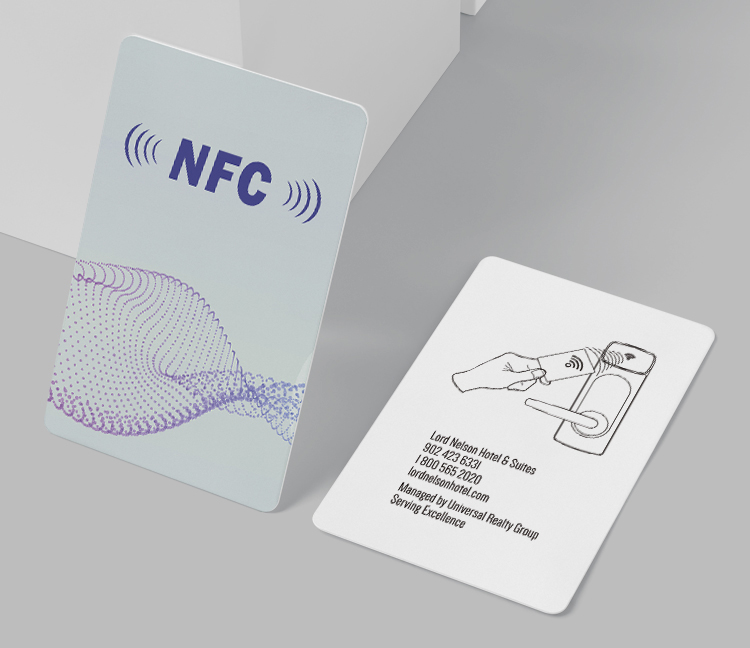
RFID technology uses electromagnetic fields to automatically identify and track tags attached to objects. NFC is a subset of RFID, operating at 13.56 MHz, designed for short-range communication—typically within 4 centimeters. The **welcome key card** leverages these technologies to provide seamless, contactless entry. When you hold your card near a reader, the embedded chip and antenna communicate with the reader’s magnetic field, granting access instantly.
The **welcome key card** has transformed the way we think about access control, hospitality, and personal security. At the core of this transformation lies Radio-Frequency Identification (RFID) and Near Field Communication (NFC) technologies. These two innovations have replaced traditional metal keys and magnetic stripe cards, offering greater convenience, durability, and security. The **welcome key card** is now a standard feature in hotels, office buildings, gyms, and even residential complexes.
RFID technology uses electromagnetic fields to automatically identify and track tags attached to objects. NFC is a subset of RFID, operating at 13.56 MHz, designed for short-range communication—typically within 4 centimeters. The **welcome key card** leverages these technologies to provide seamless, contactless entry. When you hold your card near a reader, the embedded chip and antenna communicate with the reader’s magnetic field, granting access instantly.
 ### Personal Experience: The First Time I Used a Welcome Key Card
I vividly recall my first encounter with a **welcome key card** during a business trip to Tokyo. I was handed a sleek, white card at the hotel front desk. The receptionist smiled and said, “Just tap it on the door handle.” I was skeptical. After years of fumbling with plastic keys and magnetic strips that demagnetized easily, this felt too simple. That evening, I approached my hotel room, held the card near the reader, and the door clicked open. The experience was effortless, almost magical. That moment sparked my fascination with RFID and NFC technology.
## The Technical Specifications of Welcome Key Cards
Understanding the engineering behind a **welcome key card** reveals why it is so reliable. Most cards use passive RFID tags, meaning they have no internal battery. Instead, they draw power from the reader’s radio frequency signal. The key components include:
### Personal Experience: The First Time I Used a Welcome Key Card
I vividly recall my first encounter with a **welcome key card** during a business trip to Tokyo. I was handed a sleek, white card at the hotel front desk. The receptionist smiled and said, “Just tap it on the door handle.” I was skeptical. After years of fumbling with plastic keys and magnetic strips that demagnetized easily, this felt too simple. That evening, I approached my hotel room, held the card near the reader, and the door clicked open. The experience was effortless, almost magical. That moment sparked my fascination with RFID and NFC technology.
## The Technical Specifications of Welcome Key Cards
Understanding the engineering behind a **welcome key card** reveals why it is so reliable. Most cards use passive RFID tags, meaning they have no internal battery. Instead, they draw power from the reader’s radio frequency signal. The key components include:
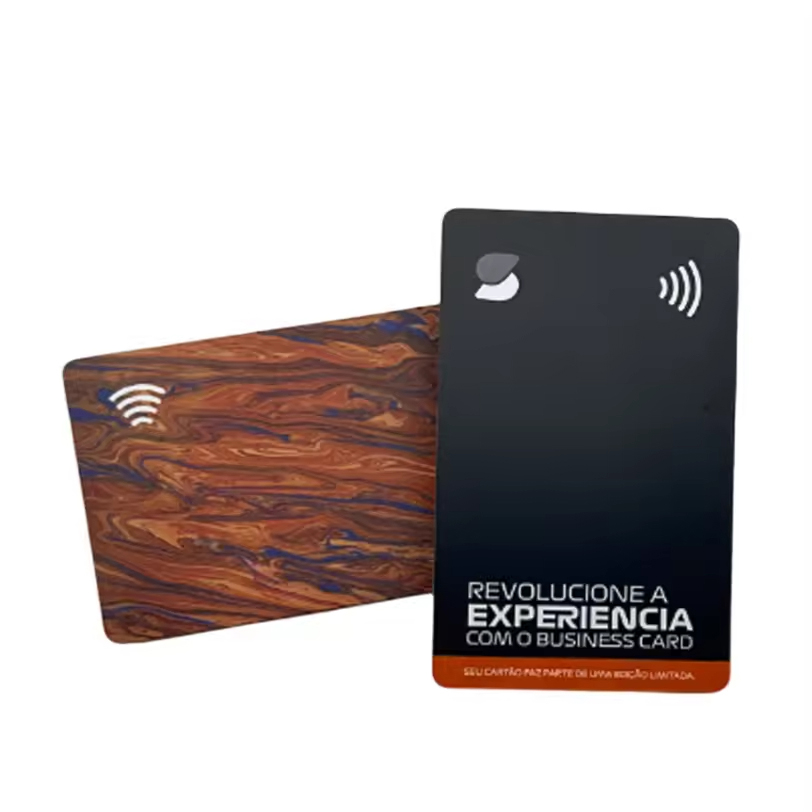 - **Microchip**: Typically an NXP MIFARE Classic 1K chip, operating at 13.56 MHz. It contains 1 KB of EEPROM memory, divided into 16 sectors with 4 blocks each. The chip uses a 48-bit unique serial number for identification.
- **Antenna**: A copper coil printed on the card’s PVC substrate. The antenna is tuned to resonate at 13.56 MHz, with an inductance of approximately 2.5 μH and a capacitance of around 27 pF.
- **Card Dimensions**: Standard ISO/IEC 7810 ID
- **Microchip**: Typically an NXP MIFARE Classic 1K chip, operating at 13.56 MHz. It contains 1 KB of EEPROM memory, divided into 16 sectors with 4 blocks each. The chip uses a 48-bit unique serial number for identification.
- **Antenna**: A copper coil printed on the card’s PVC substrate. The antenna is tuned to resonate at 13.56 MHz, with an inductance of approximately 2.5 μH and a capacitance of around 27 pF.
- **Card Dimensions**: Standard ISO/IEC 7810 ID