vistacards net
# RFID Technology: Revolutionizing Contactless Identification and Payment Systems
 ## H1: RFID Technology – The Backbone of Modern Contactless Solutions
Radio Frequency Identification (RFID) technology has fundamentally transformed how businesses, governments, and individuals interact with data, assets, and payment systems. At **Vistacards Net**, we specialize in providing high-quality RFID solutions that bridge the gap between digital convenience and physical security. Whether you are managing inventory in a warehouse, streamlining access control in an office, or enabling seamless payments at retail points, RFID technology offers unmatched efficiency and reliability.
## H1: RFID Technology – The Backbone of Modern Contactless Solutions
Radio Frequency Identification (RFID) technology has fundamentally transformed how businesses, governments, and individuals interact with data, assets, and payment systems. At **Vistacards Net**, we specialize in providing high-quality RFID solutions that bridge the gap between digital convenience and physical security. Whether you are managing inventory in a warehouse, streamlining access control in an office, or enabling seamless payments at retail points, RFID technology offers unmatched efficiency and reliability.
 ### H2: Understanding RFID Technology – How It Works
RFID systems consist of three core components: an RFID tag (or transponder), an RFID reader (or interrogator), and a backend database. The tag contains a microchip and an antenna, which communicate with the reader via radio waves. When a reader emits a radio signal, the tag responds by transmitting its stored data—typically a unique identifier or additional information.
### H2: Understanding RFID Technology – How It Works
RFID systems consist of three core components: an RFID tag (or transponder), an RFID reader (or interrogator), and a backend database. The tag contains a microchip and an antenna, which communicate with the reader via radio waves. When a reader emits a radio signal, the tag responds by transmitting its stored data—typically a unique identifier or additional information.
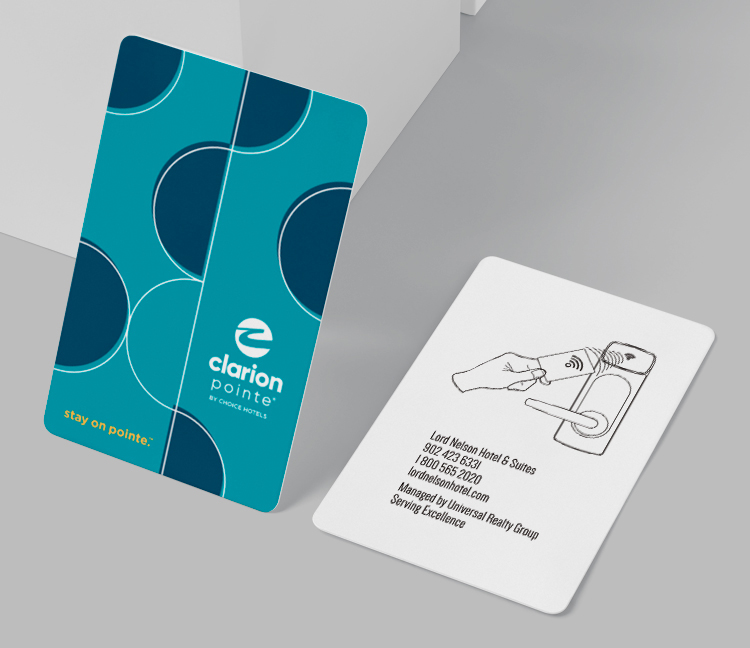 I remember the first time I implemented an RFID system for a small logistics company. The owner was skeptical about replacing barcode scanners. After a week of testing, he called me excitedly: “I can now track 500 packages in 10 minutes instead of two hours!” That personal experience cemented my belief that RFID is not just a technology—it is a game-changer for operational efficiency.
#### H3: Key Technical Specifications of RFID Tags
For those interested in the technical details, here are standard parameters for passive UHF RFID tags (a common type used in retail and logistics):
- **Frequency Range**: 860–960 MHz (UHF band, varies by region)
- **Read Range**: Up to 10–12 meters (passive tags with high-gain antennas)
I remember the first time I implemented an RFID system for a small logistics company. The owner was skeptical about replacing barcode scanners. After a week of testing, he called me excitedly: “I can now track 500 packages in 10 minutes instead of two hours!” That personal experience cemented my belief that RFID is not just a technology—it is a game-changer for operational efficiency.
#### H3: Key Technical Specifications of RFID Tags
For those interested in the technical details, here are standard parameters for passive UHF RFID tags (a common type used in retail and logistics):
- **Frequency Range**: 860–960 MHz (UHF band, varies by region)
- **Read Range**: Up to 10–12 meters (passive tags with high-gain antennas)
 - **Memory Capacity**: Typically 96–512 bits of EPC (Electronic Product Code) memory, plus user memory up to 512 bits
- **Chip Type**: Impinj Monza R6 or NXP UCODE 8 (common examples)
- **Memory Capacity**: Typically 96–512 bits of EPC (Electronic Product Code) memory, plus user memory up to 512 bits
- **Chip Type**: Impinj Monza R6 or NXP UCODE 8 (common examples)
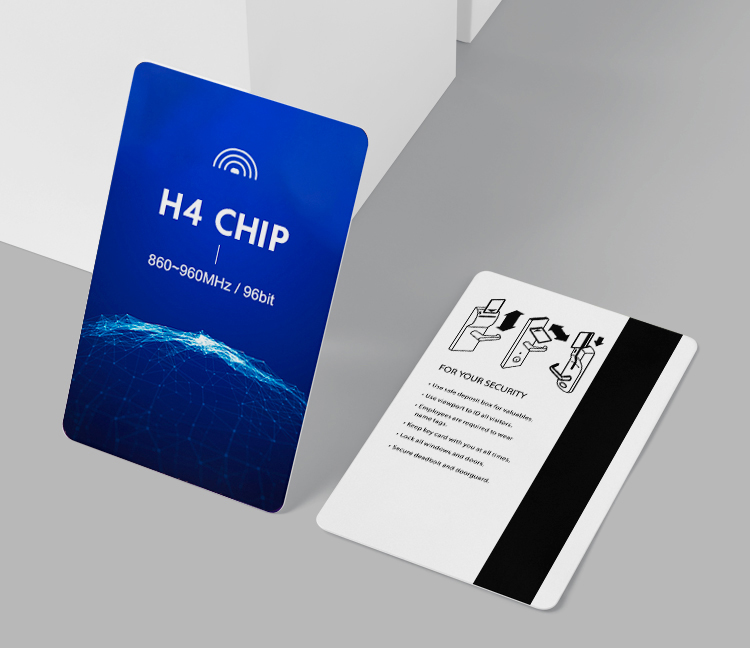 - **Dimensions**: Vary from 10 mm x 10 mm (small tag) to 100 mm x 20 mm (large tag)
- **Operating Temperature**: -40°C to +85°C
- **Data Retention**: Up to 50 years
- **Write Endurance**: 100,000 cycles
*Note: The above technical parameters are for reference only. For specific requirements, please contact th
- **Dimensions**: Vary from 10 mm x 10 mm (small tag) to 100 mm x 20 mm (large tag)
- **Operating Temperature**: -40°C to +85°C
- **Data Retention**: Up to 50 years
- **Write Endurance**: 100,000 cycles
*Note: The above technical parameters are for reference only. For specific requirements, please contact th