virtual loyalty cards - Official Website
# Virtual Loyalty Cards: Revolutionizing Customer Engagement
## The Evolution of Loyalty Programs
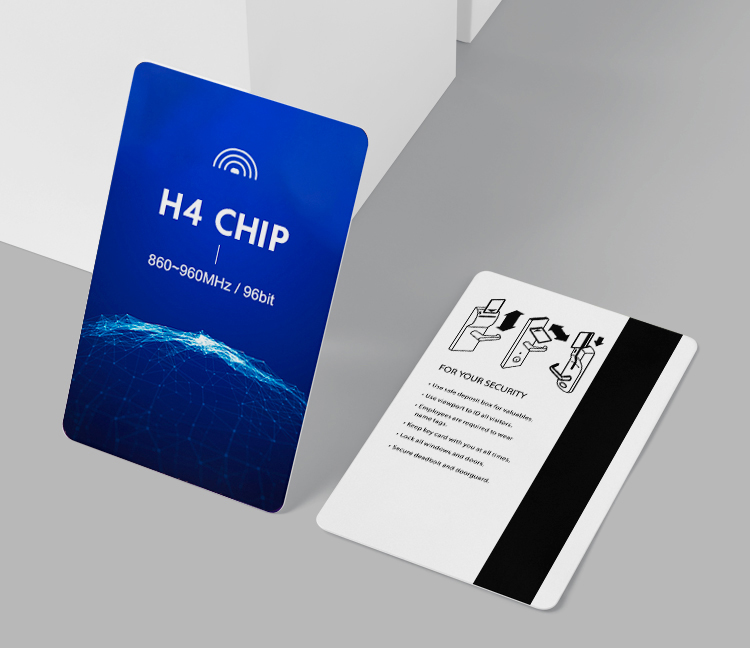 Virtual loyalty cards represent a significant advancement in customer relationship management, transforming how businesses interact with their patrons. These digital solutions leverage technologies like RFID and NFC to create seamless, personalized experiences that traditional plastic cards cannot match.
### My Personal Journey with Digital Loyalty Solutions
Virtual loyalty cards represent a significant advancement in customer relationship management, transforming how businesses interact with their patrons. These digital solutions leverage technologies like RFID and NFC to create seamless, personalized experiences that traditional plastic cards cannot match.
### My Personal Journey with Digital Loyalty Solutions
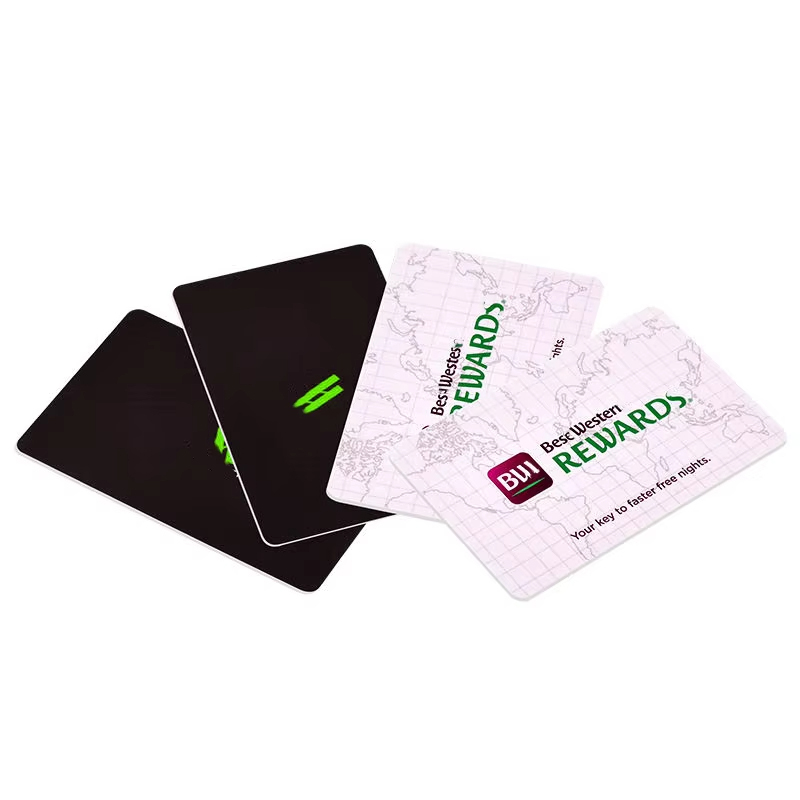
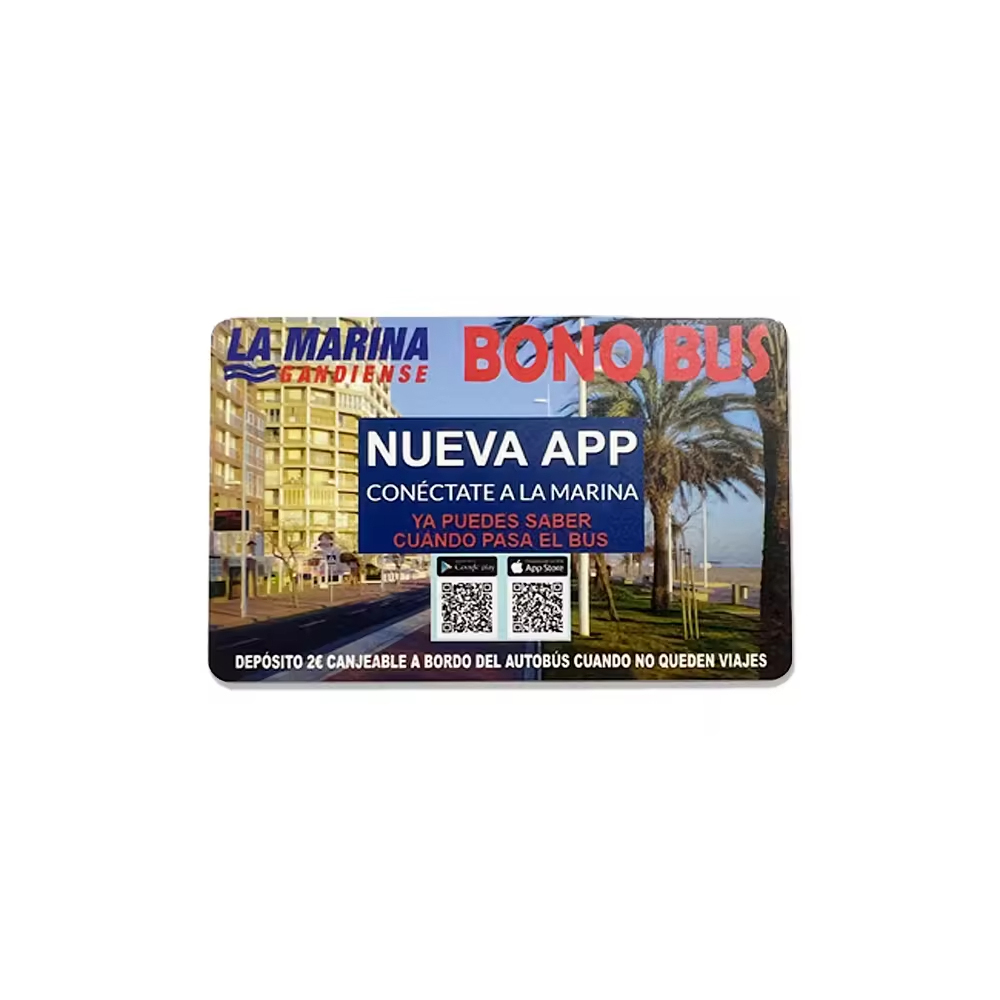
 I vividly recall my first encounter with virtual loyalty technology during a visit to a specialty coffee shop in San Francisco. Instead of fumbling through my wallet for a punch card, the barista simply asked me to tap my phone against a small terminal. Within seconds, my purchase was recorded, points were added to my account, and I received a personalized offer for my next visit. This frictionless interaction demonstrated how technology could enhance rather than complicate customer experiences.
The human interaction during this process was remarkably smooth. The staff appeared genuinely enthusiastic about explaining the system to customers, creating a sense of shared technological advancement. Their facial expressions conveyed pride in offering this modern solution, while their body language suggested confidence in the system's reliability. This positive staff-customer dynamic significantly enhanced my perception of the brand.
### Technical Specifications of Modern Virtual Loyalty Systems
Virtual loyalty cards typically operate through sophisticated backend systems integrated with frontend technologies. While specific implementations vary, here are representative technical parameters for a comprehensive virtual loyalty solution:
I vividly recall my first encounter with virtual loyalty technology during a visit to a specialty coffee shop in San Francisco. Instead of fumbling through my wallet for a punch card, the barista simply asked me to tap my phone against a small terminal. Within seconds, my purchase was recorded, points were added to my account, and I received a personalized offer for my next visit. This frictionless interaction demonstrated how technology could enhance rather than complicate customer experiences.
The human interaction during this process was remarkably smooth. The staff appeared genuinely enthusiastic about explaining the system to customers, creating a sense of shared technological advancement. Their facial expressions conveyed pride in offering this modern solution, while their body language suggested confidence in the system's reliability. This positive staff-customer dynamic significantly enhanced my perception of the brand.
### Technical Specifications of Modern Virtual Loyalty Systems
Virtual loyalty cards typically operate through sophisticated backend systems integrated with frontend technologies. While specific implementations vary, here are representative technical parameters for a comprehensive virtual loyalty solution:
 **Hardware Components:**
- NFC/RFID Reader Module: Model TRF7960A (Texas Instruments)
- Operating Frequency: 13.56 MHz (ISO/IEC 14443A/B, ISO/IEC 15693 compliant)
- Communication Interface: SPI, I²C, UART
- Power Supply: 2.7V to 5.5V DC
- Dimensions: 25mm × 25mm × 3mm
**Software Architecture:**
- Mobile Application: Built on React Native framework
- Backend System: Node.js with Express.js
- Database: MongoDB with Redis caching
- Encryption: AES-256 for data transmission
- API Integration: RESTful architecture with OAuth 2.0 authentication
**Performance Metrics:**
- Transaction Processing Time: < 200 milliseconds
- Maximum Concurrent Us
**Hardware Components:**
- NFC/RFID Reader Module: Model TRF7960A (Texas Instruments)
- Operating Frequency: 13.56 MHz (ISO/IEC 14443A/B, ISO/IEC 15693 compliant)
- Communication Interface: SPI, I²C, UART
- Power Supply: 2.7V to 5.5V DC
- Dimensions: 25mm × 25mm × 3mm
**Software Architecture:**
- Mobile Application: Built on React Native framework
- Backend System: Node.js with Express.js
- Database: MongoDB with Redis caching
- Encryption: AES-256 for data transmission
- API Integration: RESTful architecture with OAuth 2.0 authentication
**Performance Metrics:**
- Transaction Processing Time: < 200 milliseconds
- Maximum Concurrent Us