telecom visiting card design - Speak To An Expert
Premium RFID Solutions for Modern Hotels
# Telecom Visiting Card Design: Integrating RFID and NFC for Modern Networking
## Revolutionizing Business Cards with Smart Technology
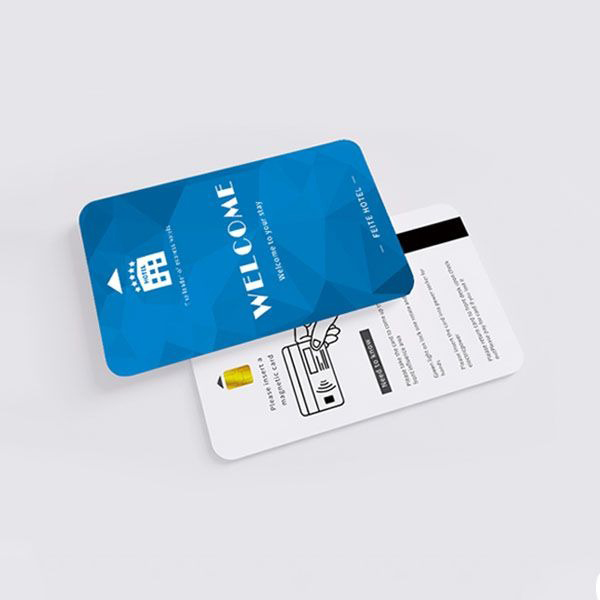
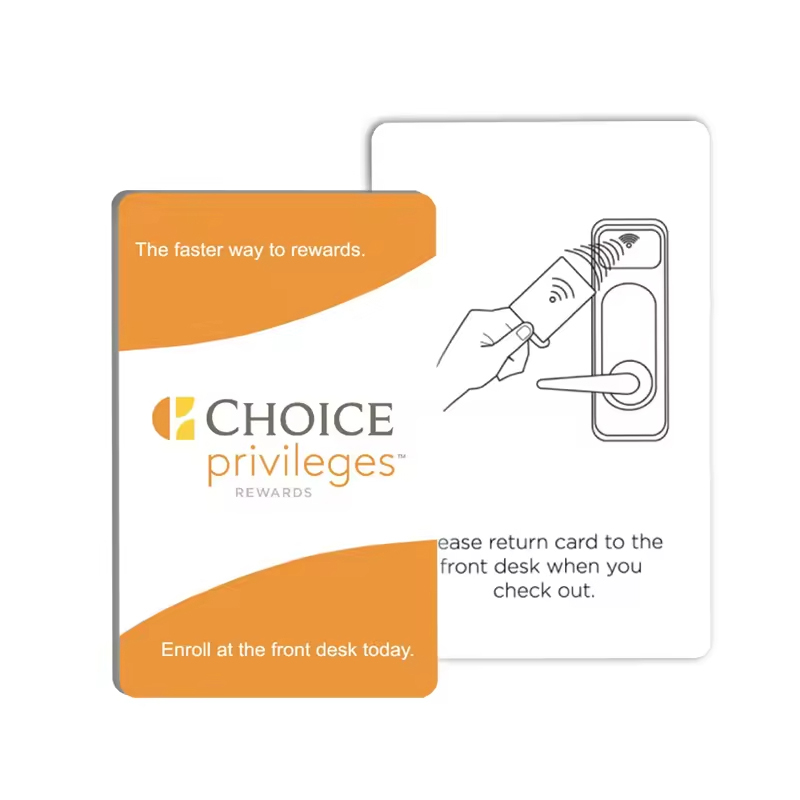 In my recent experience attending a major telecommunications conference, I witnessed firsthand how traditional business cards are becoming obsolete. While exchanging dozens of cardboard rectangles with fellow telecom professionals, I realized how inefficient this centuries-old practice has become in our digital age. The cards inevitably get lost, damaged, or forgotten in wallets, while the manual process of inputting contact information into phones creates friction in what should be seamless networking. This personal frustration with outdated networking tools sparked my interest in smart card solutions, leading me to explore how telecom visiting card design is being transformed by RFID and NFC technologies.
## The Technical Evolution: From Paper to Programmable
My journey into smart card technology began unexpectedly when a colleague demonstrated his NFC-enabled business card. With a simple tap against my smartphone, his complete contact information, company profile, and even a link to his portfolio appeared instantly on my screen. This wasn't just convenient—it felt like magic. As someone with a natural aptitude for understanding technical systems, I immediately recognized the potential applications within the telecommunications industry, where connectivity and data transfer are fundamental concerns.
In my recent experience attending a major telecommunications conference, I witnessed firsthand how traditional business cards are becoming obsolete. While exchanging dozens of cardboard rectangles with fellow telecom professionals, I realized how inefficient this centuries-old practice has become in our digital age. The cards inevitably get lost, damaged, or forgotten in wallets, while the manual process of inputting contact information into phones creates friction in what should be seamless networking. This personal frustration with outdated networking tools sparked my interest in smart card solutions, leading me to explore how telecom visiting card design is being transformed by RFID and NFC technologies.
## The Technical Evolution: From Paper to Programmable
My journey into smart card technology began unexpectedly when a colleague demonstrated his NFC-enabled business card. With a simple tap against my smartphone, his complete contact information, company profile, and even a link to his portfolio appeared instantly on my screen. This wasn't just convenient—it felt like magic. As someone with a natural aptitude for understanding technical systems, I immediately recognized the potential applications within the telecommunications industry, where connectivity and data transfer are fundamental concerns.
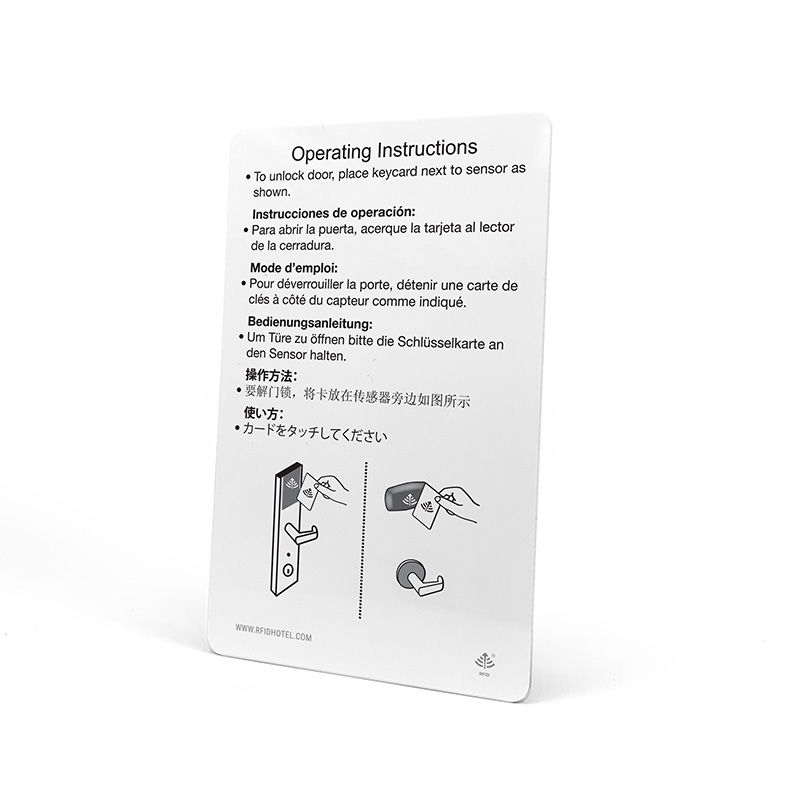 Telecom visiting card design has evolved significantly from simple paper rectangles to sophisticated digital tools. Modern professionals in telecommunications need cards that reflect their industry's technological advancement while providing practical utility beyond basic contact information.
 ## RFID vs. NFC in Card Applications
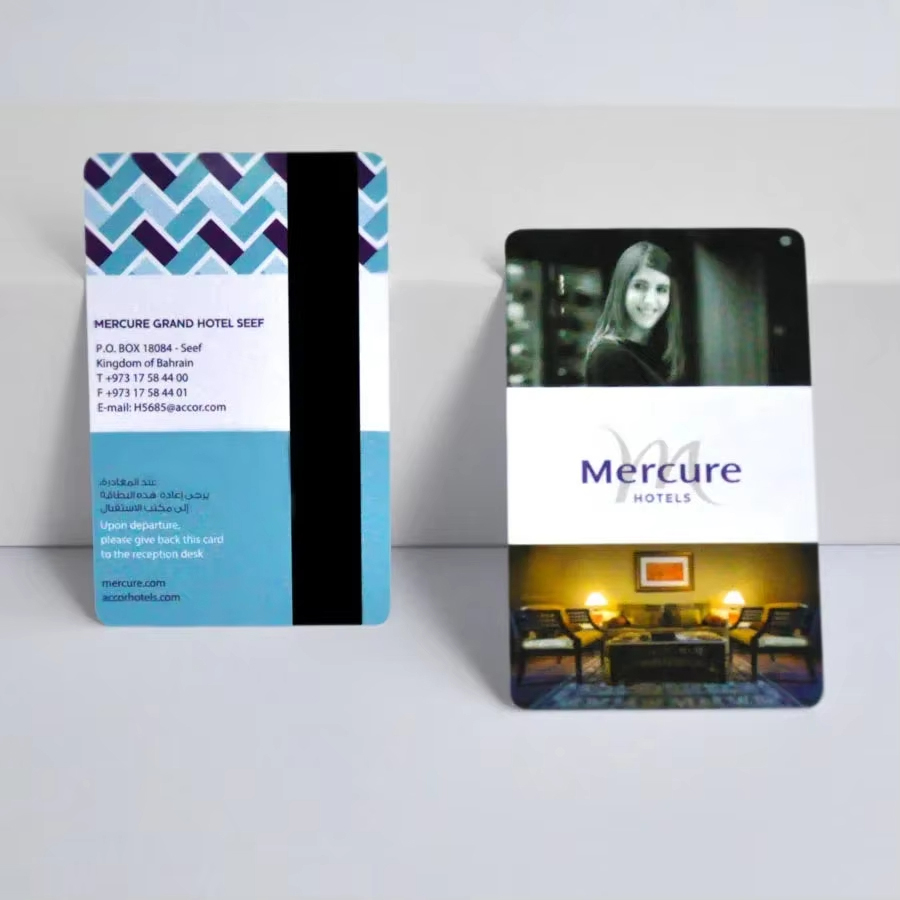 From my perspective, both RFID (Radio Frequency Identification) and NFC (Near Field Communication) offer distinct advantages for telecom visiting card design, though they serve slightly different purposes based on range and functionality requirements.
RFID technology enables longer-range reading (up to several meters with some systems) and is excellent for inventory management or access control applications within telecom facilities. I've observed telecom companies using RFID-enabled employee badges that not only identify personnel but also track movement through secure areas and log equipment checkouts.
NFC, a subset of RFID technology, operates at much
From my perspective, both RFID (Radio Frequency Identification) and NFC (Near Field Communication) offer distinct advantages for telecom visiting card design, though they serve slightly different purposes based on range and functionality requirements.
RFID technology enables longer-range reading (up to several meters with some systems) and is excellent for inventory management or access control applications within telecom facilities. I've observed telecom companies using RFID-enabled employee badges that not only identify personnel but also track movement through secure areas and log equipment checkouts.
NFC, a subset of RFID technology, operates at much
Make sure your Bluetooth is on or your phone is NFC enabled. Specialized in RFID card, NFC wristband, and custom RFID label production for the global hospitality industry.