student id card - Official Website
# Student ID Card: The Evolution and Technological Integration in Modern Education
## The Digital Transformation of Student Identification
 The **student id card** has undergone a remarkable evolution from a simple piece of laminated paper to a sophisticated multi-functional digital tool. In my early university days, my student ID was merely a photo card for library access and exam verification. I recall the frustration of queuing for replacements when it was lost, a process that took weeks. Today, witnessing the seamless integration of technology into student life is a testament to how far we've come. The modern **student id card** is no longer just an identifier; it's a central hub for campus life, access control, and financial transactions.
### The Core Technology: RFID and NFC in Student IDs
The **student id card** has undergone a remarkable evolution from a simple piece of laminated paper to a sophisticated multi-functional digital tool. In my early university days, my student ID was merely a photo card for library access and exam verification. I recall the frustration of queuing for replacements when it was lost, a process that took weeks. Today, witnessing the seamless integration of technology into student life is a testament to how far we've come. The modern **student id card** is no longer just an identifier; it's a central hub for campus life, access control, and financial transactions.
### The Core Technology: RFID and NFC in Student IDs
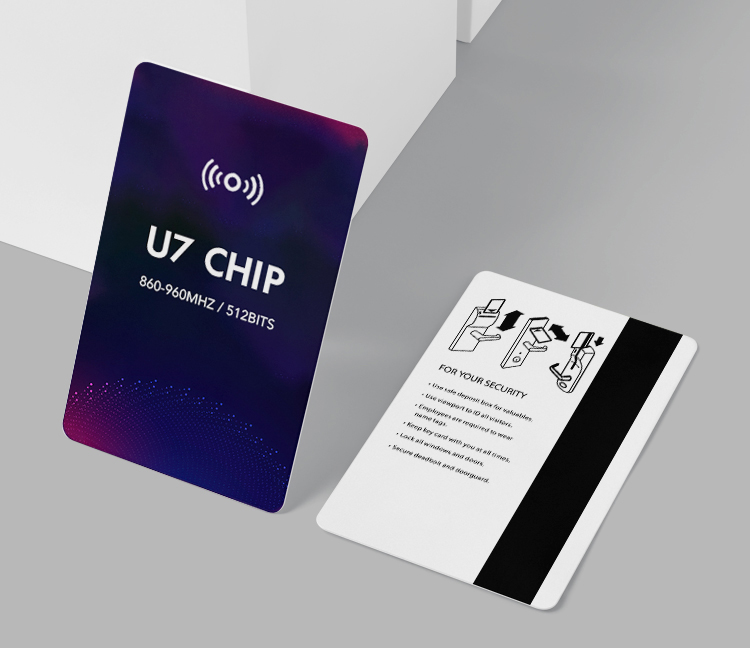 Most advanced **student id card** systems now utilize Radio-Frequency Identification (RFID) or Near Field Communication (NFC) technology. From a personal perspective, the shift to an NFC-based card at my alma mater was revolutionary. Suddenly, tapping my card to enter buildings, borrow books, pay for meals, and even log attendance in lectures became effortless. The interactivity and convenience were palpable, transforming daily routines. This personal experience highlighted a key skill for educational administrators: integrating user-friendly technology that students actually adopt and appreciate.
#### Technical Specifications of Modern RFID/NFC Student ID Cards
The effectiveness of a **student id card** hinges on its technical components. Here are detailed parameters for a typical high-frequency (HF) RFID card used in educational institutions:
* **Frequency:** 13.56 MHz (ISO/IEC 14443 A/B or ISO/IEC 15693 standard)
Most advanced **student id card** systems now utilize Radio-Frequency Identification (RFID) or Near Field Communication (NFC) technology. From a personal perspective, the shift to an NFC-based card at my alma mater was revolutionary. Suddenly, tapping my card to enter buildings, borrow books, pay for meals, and even log attendance in lectures became effortless. The interactivity and convenience were palpable, transforming daily routines. This personal experience highlighted a key skill for educational administrators: integrating user-friendly technology that students actually adopt and appreciate.
#### Technical Specifications of Modern RFID/NFC Student ID Cards
The effectiveness of a **student id card** hinges on its technical components. Here are detailed parameters for a typical high-frequency (HF) RFID card used in educational institutions:
* **Frequency:** 13.56 MHz (ISO/IEC 14443 A/B or ISO/IEC 15693 standard)
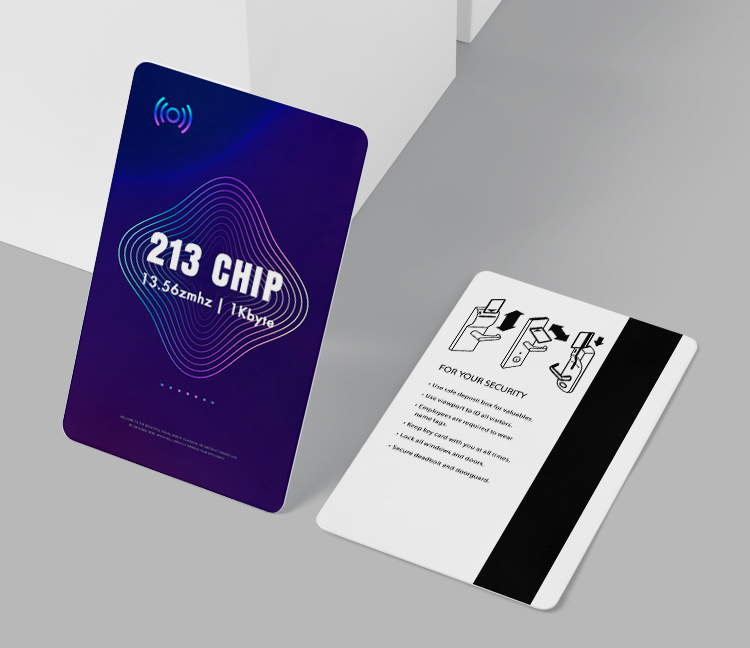
 * **Chip Type:** Common chips include NXP's MIFARE Classic 1K (MF1S503x), MIFARE DESFire EV2 (MF2D(H)x0), or NTAG 213/215/216. The DESFire series is increasingly favored for its enhanced security features.
* **Memory Capacity:** Ranges from 1KB (MIFARE Classic) up to 8KB or more (MIFARE DESFire), allowing storage of multiple applications, cash balances, and access permissions.
* **Read Range:** Typically 5-10 cm for passive HF cards, ideal for controlled tap-and-go scenarios.
* **Data Transfer Rate:** Up to 424 kbit/s for NFC, enabling quick data exchange.
* **Security:** Features include mutual authentication, 3DES or AES encryption, and sector-level security keys.
* **Chip Type:** Common chips include NXP's MIFARE Classic 1K (MF1S503x), MIFARE DESFire EV2 (MF2D(H)x0), or NTAG 213/215/216. The DESFire series is increasingly favored for its enhanced security features.
* **Memory Capacity:** Ranges from 1KB (MIFARE Classic) up to 8KB or more (MIFARE DESFire), allowing storage of multiple applications, cash balances, and access permissions.
* **Read Range:** Typically 5-10 cm for passive HF cards, ideal for controlled tap-and-go scenarios.
* **Data Transfer Rate:** Up to 424 kbit/s for NFC, enabling quick data exchange.
* **Security:** Features include mutual authentication, 3DES or AES encryption, and sector-level security keys.
 * **Physical Dimensions:** ID-1 format as per ISO/IEC 7810: 85.60 mm