rfid made cards - Official Website
# RFID Made Cards: Transforming Identification and Access Control Systems
 ## The Evolution of RFID Technology in Card Manufacturing
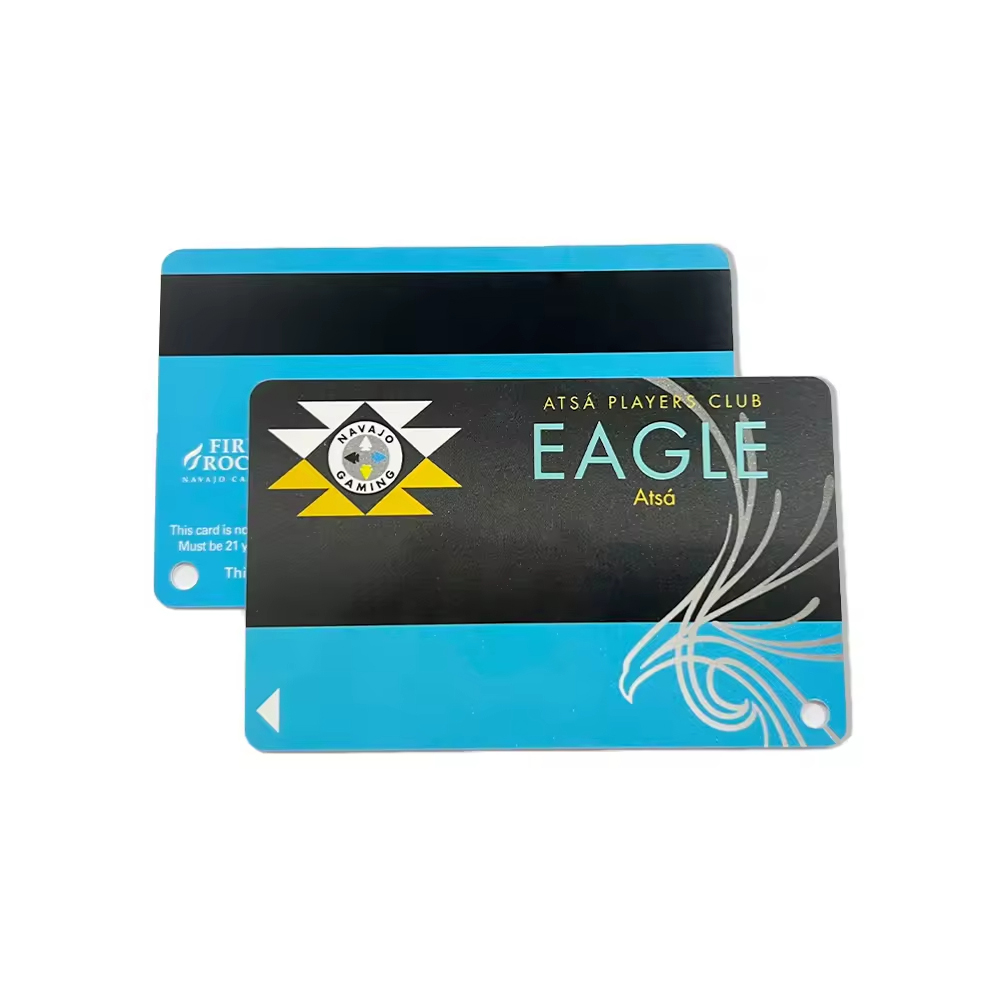
RFID made cards represent one of the most significant advancements in identification technology over the past two decades. These cards, embedded with tiny radio-frequency identification chips, have revolutionized how businesses, governments, and individuals manage access, payments, and data tracking. Unlike traditional magnetic stripe cards, RFID made cards operate wirelessly, allowing users to simply wave or tap their card near a reader to complete transactions or gain entry. This contactless functionality has become indispensable in modern society, from public transportation systems to corporate security protocols.
## The Evolution of RFID Technology in Card Manufacturing
RFID made cards represent one of the most significant advancements in identification technology over the past two decades. These cards, embedded with tiny radio-frequency identification chips, have revolutionized how businesses, governments, and individuals manage access, payments, and data tracking. Unlike traditional magnetic stripe cards, RFID made cards operate wirelessly, allowing users to simply wave or tap their card near a reader to complete transactions or gain entry. This contactless functionality has become indispensable in modern society, from public transportation systems to corporate security protocols.
 ## Personal Experience with RFID Made Cards
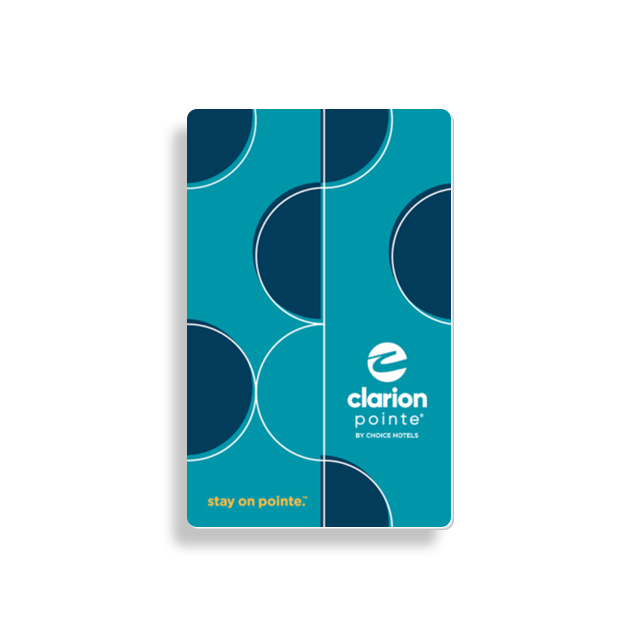
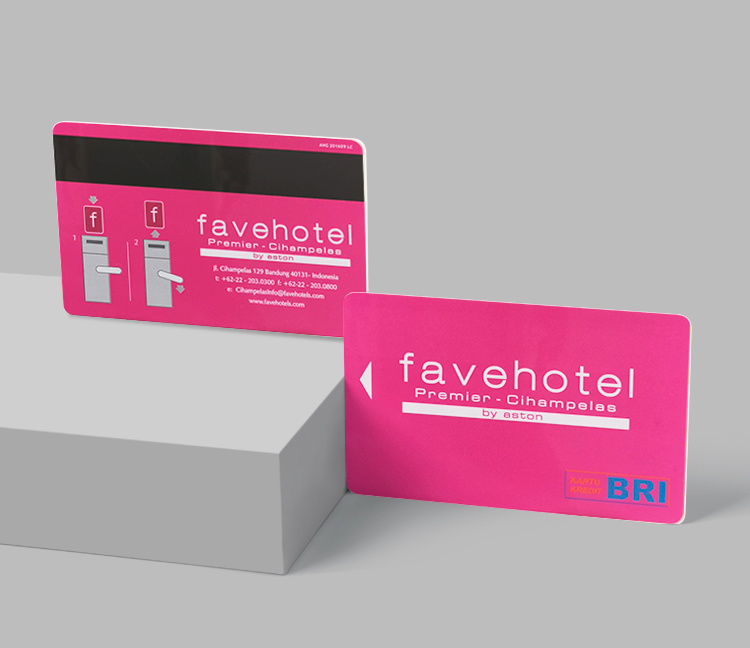
I vividly recall my first encounter with an RFID made card during a business trip to Tokyo in 2018. The hotel issued me a key card that looked ordinary but worked magically—I only needed to hold it near the door handle to unlock my room. That experience sparked my curiosity about the underlying technology. Later, when I started working with a logistics company, I witnessed firsthand how RFID made cards streamlined inventory management. Employees could scan pallets of goods in seconds, reducing manual errors by over 70%. The efficiency gain was so profound that our team transitioned entirely from barcode systems to RFID made cards within six months.
## Personal Experience with RFID Made Cards
I vividly recall my first encounter with an RFID made card during a business trip to Tokyo in 2018. The hotel issued me a key card that looked ordinary but worked magically—I only needed to hold it near the door handle to unlock my room. That experience sparked my curiosity about the underlying technology. Later, when I started working with a logistics company, I witnessed firsthand how RFID made cards streamlined inventory management. Employees could scan pallets of goods in seconds, reducing manual errors by over 70%. The efficiency gain was so profound that our team transitioned entirely from barcode systems to RFID made cards within six months.
 ## The Science Behind RFID Made Cards
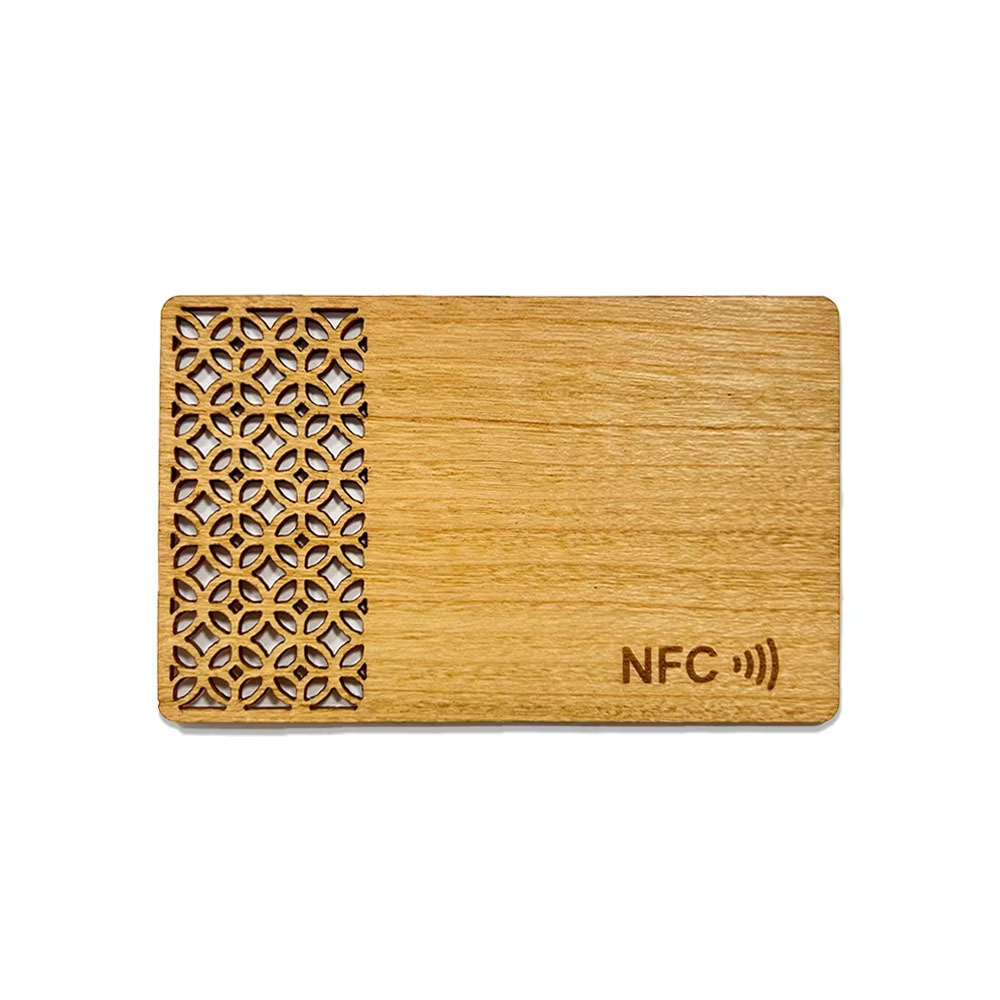
At its core, an RFID made card consists of three primary components: a microchip, an antenna, and a substrate material. The microchip stores data, such as a unique identifier or encrypted user information. The antenna transmits and receives radio signals, while the substrate—typically PVC or PET—provides durability and protection. The most common frequency bands for RFID made cards are low-frequency (125–134 kHz), high-frequency (13.56 MHz), and ultra-high-frequency (860–960 MHz). Each band serves different purposes: low-frequency cards excel in animal tracking and access control, high-frequency cards dominate payment systems and library management, and ultra-high-frequency cards optimize supply chain logistics.
## The Science Behind RFID Made Cards
At its core, an RFID made card consists of three primary components: a microchip, an antenna, and a substrate material. The microchip stores data, such as a unique identifier or encrypted user information. The antenna transmits and receives radio signals, while the substrate—typically PVC or PET—provides durability and protection. The most common frequency bands for RFID made cards are low-frequency (125–134 kHz), high-frequency (13.56 MHz), and ultra-high-frequency (860–960 MHz). Each band serves different purposes: low-frequency cards excel in animal tracking and access control, high-frequency cards dominate payment systems and library management, and ultra-high-frequency cards optimize supply chain logistics.
 ## Technical Specifications of RFID Made Cards
For those interested in the technical details, here are the key parameters of a standard high-frequency RFID mad
## Technical Specifications of RFID Made Cards
For those interested in the technical details, here are the key parameters of a standard high-frequency RFID mad