proximity cards and tags - Official Website
# Proximity Cards and Tags: The Invisible Keys to Modern Access Control
 ## Introduction to Proximity Cards and Tags
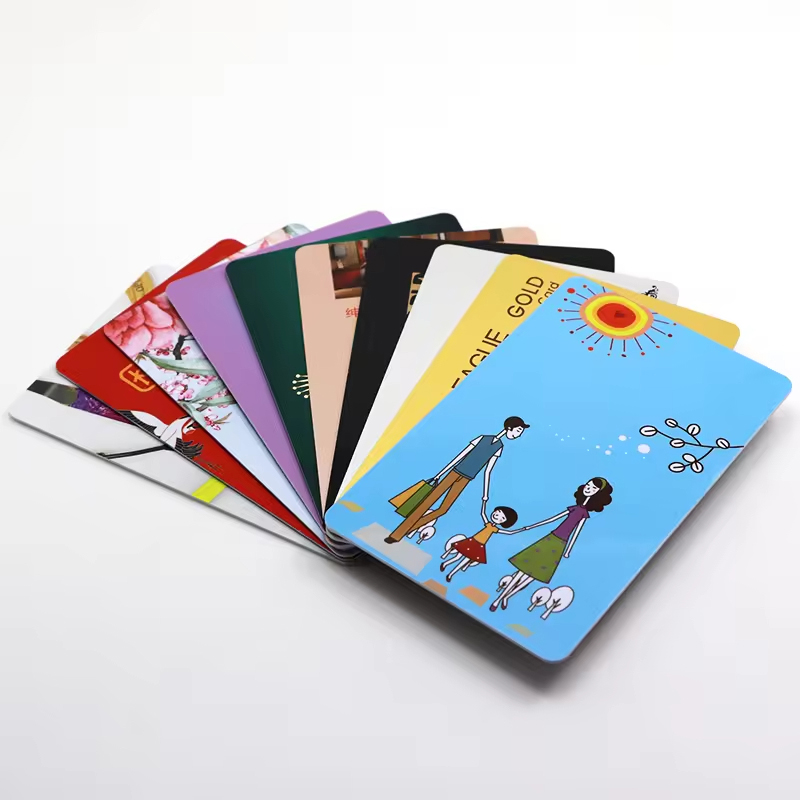 Proximity cards and tags have become ubiquitous in our daily lives, seamlessly integrating into security, logistics, and identification systems. These small, unassuming devices leverage Radio-Frequency Identification (RFID) and Near Field Communication (NFC) technologies to enable contactless data exchange. From granting access to office buildings to tracking inventory in warehouses, proximity cards and tags are the silent workhorses of the digital age. Their ability to transmit information without physical contact has revolutionized how we interact with secure environments and manage assets.
## How Proximity Technology Works: RFID vs. NFC
Proximity cards and tags have become ubiquitous in our daily lives, seamlessly integrating into security, logistics, and identification systems. These small, unassuming devices leverage Radio-Frequency Identification (RFID) and Near Field Communication (NFC) technologies to enable contactless data exchange. From granting access to office buildings to tracking inventory in warehouses, proximity cards and tags are the silent workhorses of the digital age. Their ability to transmit information without physical contact has revolutionized how we interact with secure environments and manage assets.
## How Proximity Technology Works: RFID vs. NFC
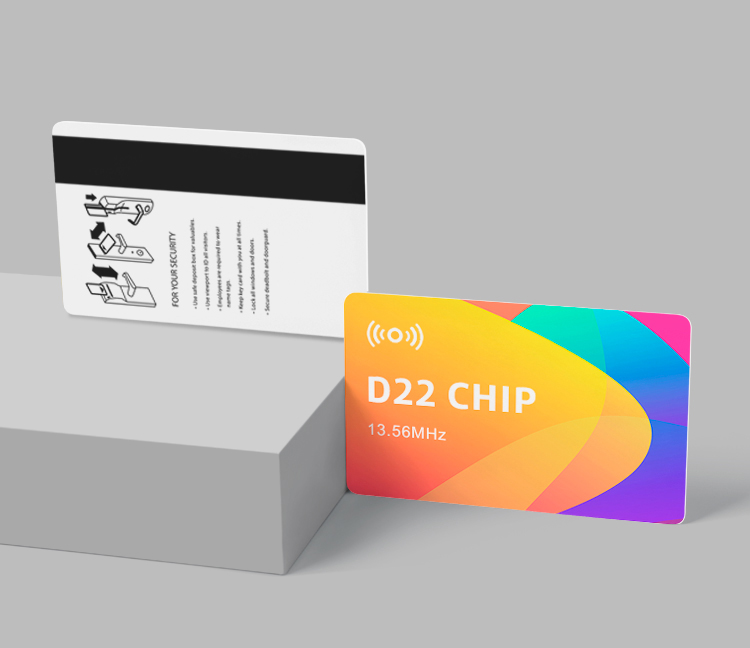 At the heart of **proximity cards and tags** lies the principle of electromagnetic induction. When a reader emits a radio frequency signal, it powers the passive chip within the card or tag, allowing it to transmit its unique identifier back to the reader. While often used interchangeably, RFID and NFC are distinct cousins within the proximity family.
**RFID (Radio-Frequency Identification)** operates over various frequencies (LF, HF, UHF) and ranges, from a few centimeters to several meters. It's typically a one-way communication system used for identification and tracking. I recall my first encounter with RFID was during a university project where we tracked library books. The efficiency was astounding—instead of manually scanning barcodes, a handheld reader could identify a stack of books in seconds. This personal experience highlighted the transformative potential of automated data capture.
At the heart of **proximity cards and tags** lies the principle of electromagnetic induction. When a reader emits a radio frequency signal, it powers the passive chip within the card or tag, allowing it to transmit its unique identifier back to the reader. While often used interchangeably, RFID and NFC are distinct cousins within the proximity family.
**RFID (Radio-Frequency Identification)** operates over various frequencies (LF, HF, UHF) and ranges, from a few centimeters to several meters. It's typically a one-way communication system used for identification and tracking. I recall my first encounter with RFID was during a university project where we tracked library books. The efficiency was astounding—instead of manually scanning barcodes, a handheld reader could identify a stack of books in seconds. This personal experience highlighted the transformative potential of automated data capture.
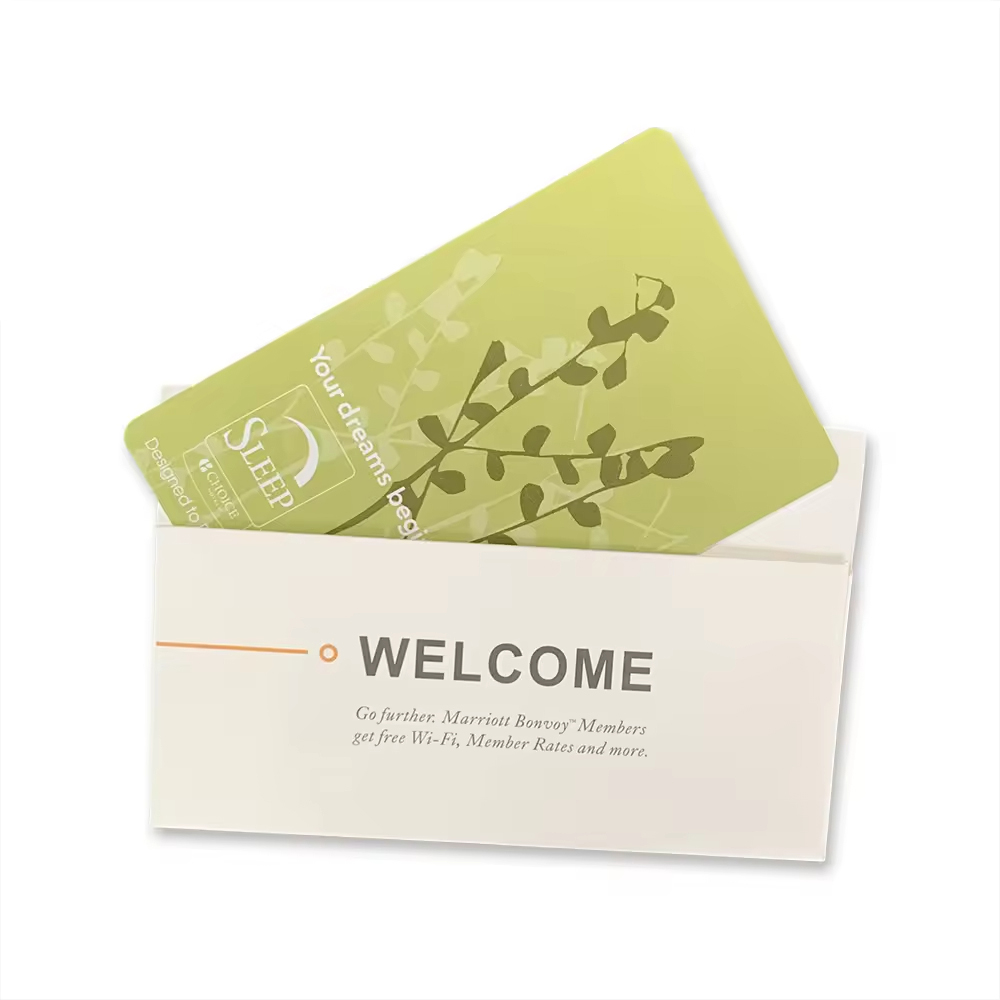 **NFC (Near Field Communication)**, a subset of RFID based on HF (13.56 MHz), is designed for extremely short-range communication (within 4 inches). It enables two-way interaction, making it ideal for secure transactions, data sharing, and device pairing. My perspective is that NFC's integration into smartphones has been a game-changer, blurring the lines between physical cards and digital wallets.
### Technical Specifications: A Deep Dive into Components
**NFC (Near Field Communication)**, a subset of RFID based on HF (13.56 MHz), is designed for extremely short-range communication (within 4 inches). It enables two-way interaction, making it ideal for secure transactions, data sharing, and device pairing. My perspective is that NFC's integration into smartphones has been a game-changer, blurring the lines between physical cards and digital wallets.
### Technical Specifications: A Deep Dive into Components
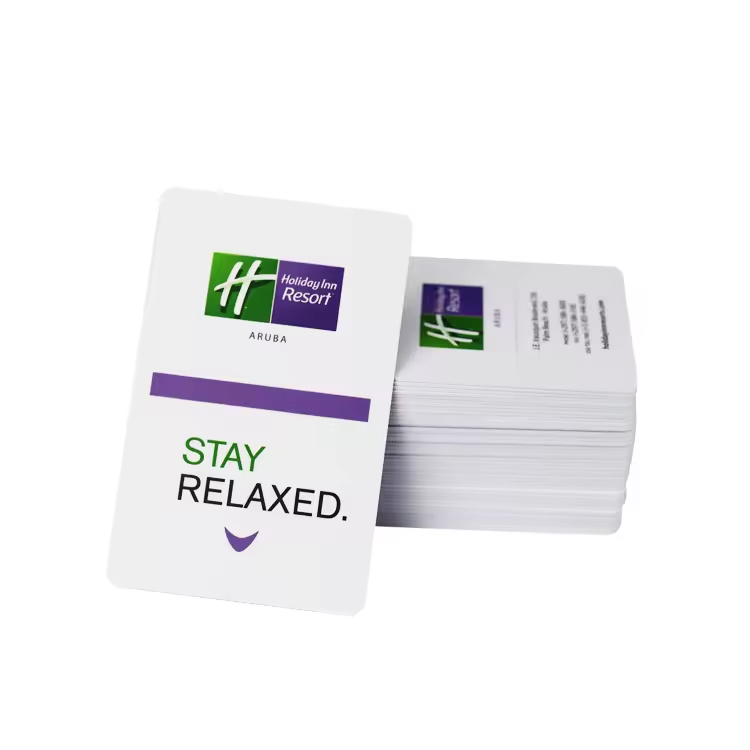 Providing detailed technical specifications for **proximity cards and tags** requires understanding their core components. Here are some common parameters for standard HF (13.56 MHz) proximity cards, often used in access control:
* **Chip Type:** NXP MIFARE Classic 1K (MF1S503x). This is a common, cost-effective chip for basic access control and loyalty cards.
* **Memory:** 1 KB EEPROM
Providing detailed technical specifications for **proximity cards and tags** requires understanding their core components. Here are some common parameters for standard HF (13.56 MHz) proximity cards, often used in access control:
* **Chip Type:** NXP MIFARE Classic 1K (MF1S503x). This is a common, cost-effective chip for basic access control and loyalty cards.
* **Memory:** 1 KB EEPROM