product categoryrfid cards by ic typest25tv512 - Official Website
# RFID Cards by IC Type T25TV512: A Comprehensive Guide
## Introduction to T25TV512 RFID Cards
RFID cards by IC type T25TV512 represent a significant advancement in contactless identification technology. As someone who has worked with various RFID systems for over a decade, I've witnessed firsthand how specific IC types can dramatically impact application performance. The T25TV512 stands out for its unique combination of features that make it suitable for specialized applications where data integrity and security are paramount.
## Technical Specifications and Parameters of T25TV512 RFID Cards
### Detailed Technical Indicators
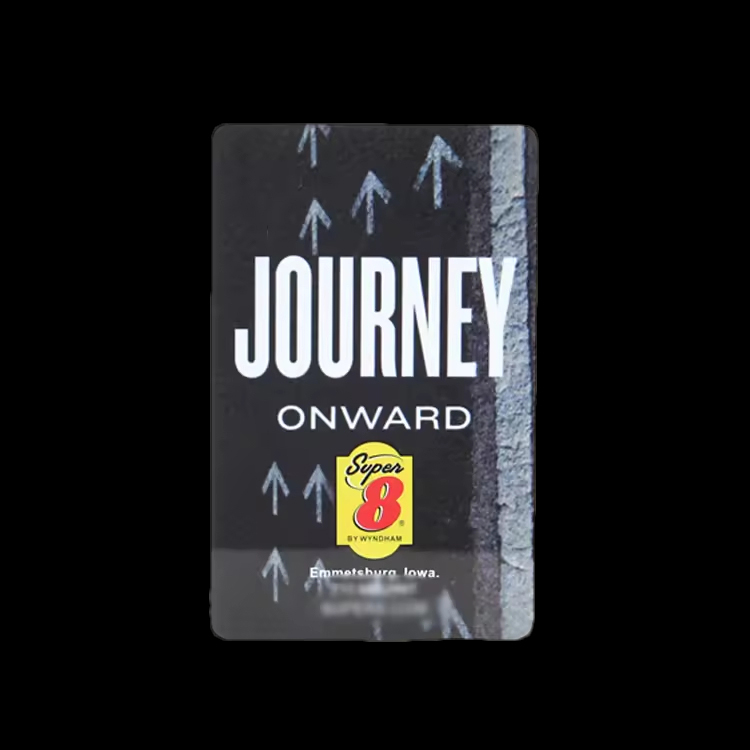 The T25TV512 RFID IC offers a robust set of technical specifications that distinguish it from other RFID solutions:
**Memory Configuration:**
- Total Memory: 512 bytes EEPROM
- User Memory: 496 bytes available for application data
The T25TV512 RFID IC offers a robust set of technical specifications that distinguish it from other RFID solutions:
**Memory Configuration:**
- Total Memory: 512 bytes EEPROM
- User Memory: 496 bytes available for application data
 - Unique ID: 64-bit factory-programmed identifier
- Reserved Memory: 16 bytes for system use
**Communication Protocol:**
- ISO/IEC 15693 compliant
- Operating Frequency: 13.56 MHz
- Data Transfer Rate: Up to 53 kbit/s
- Read Range: Up to 1.5 meters (depending on reader configuration)
**Physical Characteristics:**
- Chip Dimensions: 1.2mm × 1.2mm × 0.15mm
- Operating Temperature: -25°C to +70°C
- Storage Temperature: -40°C to +85°C
- ESD Protection: ±4kV HBM
- Unique ID: 64-bit factory-programmed identifier
- Reserved Memory: 16 bytes for system use
**Communication Protocol:**
- ISO/IEC 15693 compliant
- Operating Frequency: 13.56 MHz
- Data Transfer Rate: Up to 53 kbit/s
- Read Range: Up to 1.5 meters (depending on reader configuration)
**Physical Characteristics:**
- Chip Dimensions: 1.2mm × 1.2mm × 0.15mm
- Operating Temperature: -25°C to +70°C
- Storage Temperature: -40°C to +85°C
- ESD Protection: ±4kV HBM
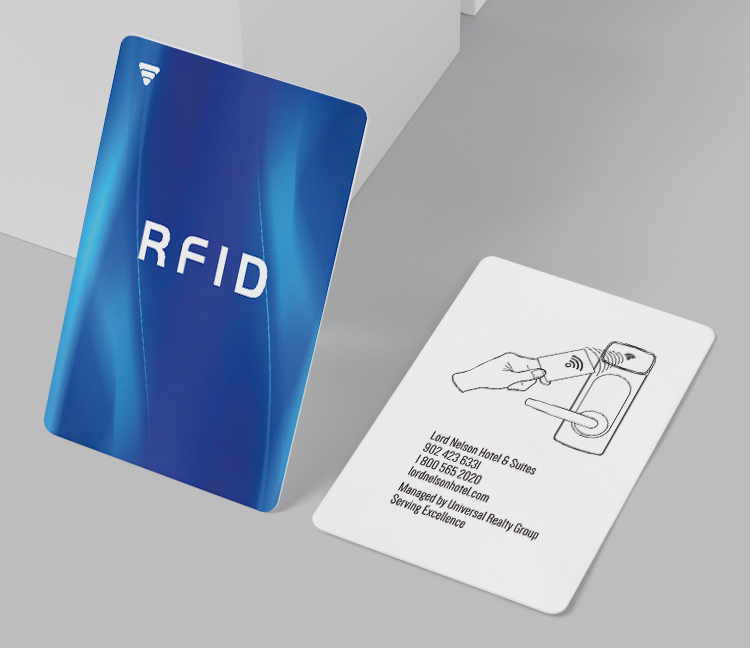 **Security Features:**
- 32-bit password protection for memory access
**Security Features:**
- 32-bit password protection for memory access
 - Anti-collision algorithm supporting multiple tag reads
- Unique, unalterable serial number
- Data retention: Minimum 10 years
- Write endurance: 100,000 cycles minimum
- Anti-collision algorithm supporting multiple tag reads
- Unique, unalterable serial number
- Data retention: Minimum 10 years
- Write endurance: 100,000 cycles minimum
 *Note: These technical parameters are reference data. For precise specifications and implementation details, please contact our backend management team.*
## Personal Experience with T25TV512 Implementation
### A Real-World Application Story
During my tenure at a major logistics company, we faced significant challenges with inventory tracking in high-value goods storage. Traditional barcode systems proved inadequate for our needs, particularly in environments where items were stack
*Note: These technical parameters are reference data. For precise specifications and implementation details, please contact our backend management team.*
## Personal Experience with T25TV512 Implementation
### A Real-World Application Story
During my tenure at a major logistics company, we faced significant challenges with inventory tracking in high-value goods storage. Traditional barcode systems proved inadequate for our needs, particularly in environments where items were stack