order custom holiday cards - Excellent Customer Service
# Custom Holiday Cards: Elevate Your Festive Greetings with RFID and NFC Technology
 ## Introduction to Custom Holiday Cards
Custom holiday cards have long been a cherished tradition, allowing individuals and businesses to send personalized season's greetings. In today's digital age, the desire for tangible, thoughtful connections remains strong, and technology is now enhancing this experience in remarkable ways. By integrating **RFID** and **NFC** technologies, custom holiday cards are transforming from simple paper greetings into interactive, memorable experiences. This fusion of tradition and innovation is redefining how we connect during the festive season.
## Introduction to Custom Holiday Cards
Custom holiday cards have long been a cherished tradition, allowing individuals and businesses to send personalized season's greetings. In today's digital age, the desire for tangible, thoughtful connections remains strong, and technology is now enhancing this experience in remarkable ways. By integrating **RFID** and **NFC** technologies, custom holiday cards are transforming from simple paper greetings into interactive, memorable experiences. This fusion of tradition and innovation is redefining how we connect during the festive season.
 ## Personal Experience: The Magic of a "Smart" Holiday Card
Last holiday season, our family decided to move beyond the standard photo card. We worked with a designer to create a beautiful, custom card featuring a winter scene. However, the real magic was hidden inside. We embedded a small **NFC** chip into the cardstock. When recipients tapped their smartphones on the card's snowflake design, it triggered a private family webpage. This page hosted a slideshow of our year's highlights, a video message from our kids, and even a link to our favorite holiday charity. The feedback was overwhelming. Distant relatives felt intimately connected, and friends commented for months about the "magical" card. It wasn't just a greeting; it was an experience that fostered genuine interaction and shared joy. This personal project showed me how a simple piece of technology could deepen human connection in a way a static card never could.
## Personal Experience: The Magic of a "Smart" Holiday Card
Last holiday season, our family decided to move beyond the standard photo card. We worked with a designer to create a beautiful, custom card featuring a winter scene. However, the real magic was hidden inside. We embedded a small **NFC** chip into the cardstock. When recipients tapped their smartphones on the card's snowflake design, it triggered a private family webpage. This page hosted a slideshow of our year's highlights, a video message from our kids, and even a link to our favorite holiday charity. The feedback was overwhelming. Distant relatives felt intimately connected, and friends commented for months about the "magical" card. It wasn't just a greeting; it was an experience that fostered genuine interaction and shared joy. This personal project showed me how a simple piece of technology could deepen human connection in a way a static card never could.
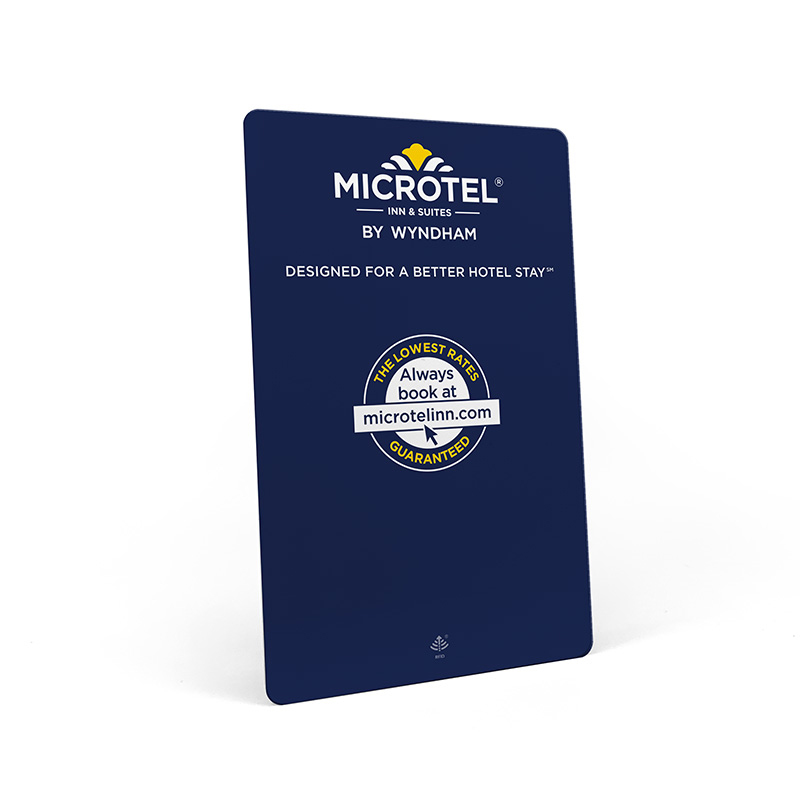 ## The Technical Talent Behind Interactive Cards
Creating these interactive experiences requires a specific skill set. My own journey involved learning about **RFID** and **NFC** protocols—a talent I developed out of fascination. The key is understanding the data capacity and communication standards. For instance, not all **NFC** chips are the same. A common chip used in such applications is the **NTAG213**, which offers 144 bytes of user memory, enough for a URL and some configuration data. The process involves:
1. **Encoding the Chip:** Programming the chip with a web link (URL) or specific data payload.
2. **Embedding:** Carefully placing the thin, paper-like chip or antenna within the card layers during production so it remains functional and undetectable.
3. **Design Integration:** Ensuring the card's design indicates the tap point, often with a subtle icon or instruction.
This technical ski
## The Technical Talent Behind Interactive Cards
Creating these interactive experiences requires a specific skill set. My own journey involved learning about **RFID** and **NFC** protocols—a talent I developed out of fascination. The key is understanding the data capacity and communication standards. For instance, not all **NFC** chips are the same. A common chip used in such applications is the **NTAG213**, which offers 144 bytes of user memory, enough for a URL and some configuration data. The process involves:
1. **Encoding the Chip:** Programming the chip with a web link (URL) or specific data payload.
2. **Embedding:** Carefully placing the thin, paper-like chip or antenna within the card layers during production so it remains functional and undetectable.
3. **Design Integration:** Ensuring the card's design indicates the tap point, often with a subtle icon or instruction.
This technical ski