# RFID-Enabled Business Cards: The Future of Networking and Contact Sharing
 In today’s fast-paced digital world, the traditional paper business card is rapidly evolving. **RFID** (Radio-Frequency Identification) technology has emerged as a game-changer, transforming how professionals exchange contact information, access resources, and engage with their networks. **RFID**-enabled business cards are not just a novelty; they represent a practical, efficient, and secure way to manage professional interactions. This article explores the personal experiences, technical specifications, and real-world applications of **RFID** business cards, offering insights into how you can leverage this technology for your networking needs.
## Personal Experience: Why I Switched to RFID Business Cards
In today’s fast-paced digital world, the traditional paper business card is rapidly evolving. **RFID** (Radio-Frequency Identification) technology has emerged as a game-changer, transforming how professionals exchange contact information, access resources, and engage with their networks. **RFID**-enabled business cards are not just a novelty; they represent a practical, efficient, and secure way to manage professional interactions. This article explores the personal experiences, technical specifications, and real-world applications of **RFID** business cards, offering insights into how you can leverage this technology for your networking needs.
## Personal Experience: Why I Switched to RFID Business Cards
 I still remember the frustration of carrying a stack of paper business cards to a conference, only to misplace half of them by the end of the day. One particular experience changed my perspective entirely. At a tech summit in 2023, I met a colleague who handed me a sleek, metallic card that looked like a credit card. When I tapped it against my smartphone, his contact information instantly appeared on my screen. That was my first encounter with **RFID** technology, and I was hooked.
Since then, I have designed and ordered my own **RFID** business cards online. The process was surprisingly simple, and the results were transformative. Not only did I eliminate the need for physical paper, but I also gained the ability to update my contact details remotely. For instance, when I changed my phone number last month, I updated the digital profile linked to my **RFID** card, and everyone who had my card automatically received the new information. This experience taught me that **RFID** is not just a tool but a lifestyle upgrade for professionals who value efficiency and connectivity.
I still remember the frustration of carrying a stack of paper business cards to a conference, only to misplace half of them by the end of the day. One particular experience changed my perspective entirely. At a tech summit in 2023, I met a colleague who handed me a sleek, metallic card that looked like a credit card. When I tapped it against my smartphone, his contact information instantly appeared on my screen. That was my first encounter with **RFID** technology, and I was hooked.
Since then, I have designed and ordered my own **RFID** business cards online. The process was surprisingly simple, and the results were transformative. Not only did I eliminate the need for physical paper, but I also gained the ability to update my contact details remotely. For instance, when I changed my phone number last month, I updated the digital profile linked to my **RFID** card, and everyone who had my card automatically received the new information. This experience taught me that **RFID** is not just a tool but a lifestyle upgrade for professionals who value efficiency and connectivity.
 ## The Technology Behind RFID Business Cards: Technical Specifications
 Understanding the technical aspects of **RFID** business cards is crucial for making an informed purchase. Here are the key parameters and specifications you should consider:
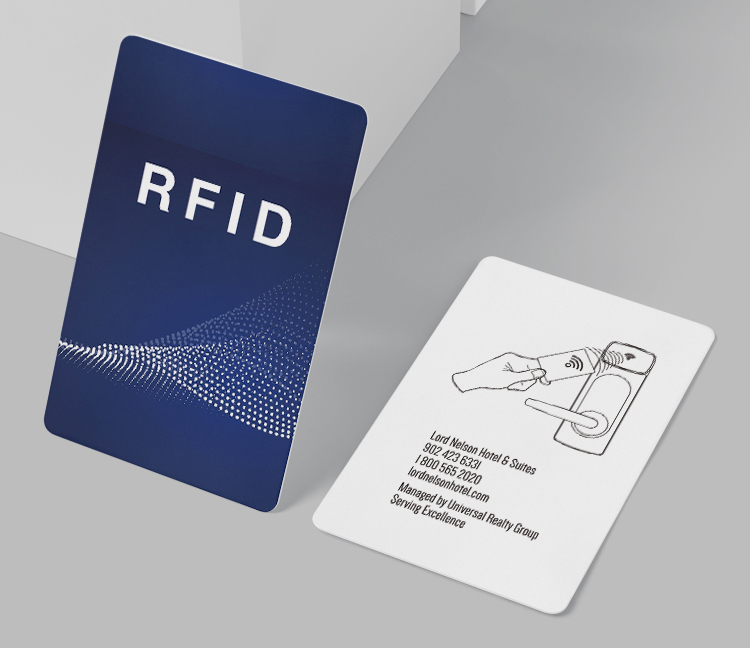 ### RFID Chip Specifications
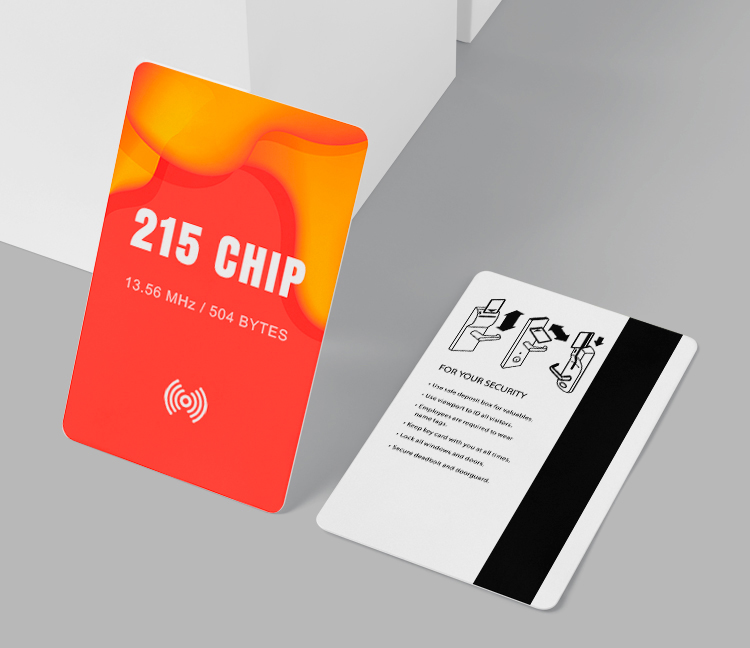
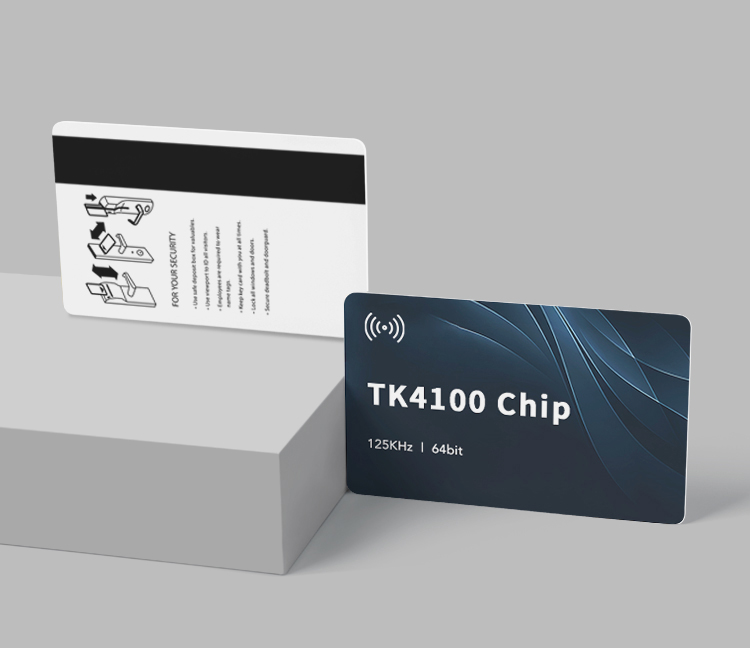
- **Chip Type**: Most **RFID** business cards use passive **RFID** chips, such as the NXP NTAG213 or NTAG216. These chips operate at 13.56 MHz (High Frequency, HF) and comply wit
### RFID Chip Specifications
- **Chip Type**: Most **RFID** business cards use passive **RFID** chips, such as the NXP NTAG213 or NTAG216. These chips operate at 13.56 MHz (High Frequency, HF) and comply wit
IMPORTANT: Make sure your Bluetooth is on or your phone is NFC enabled. Specialized in RFID card, NFC wristband, and custom RFID label production for the global hospitality industry.
Technical Specifications
The YARONGTECH 4K RFID S70 Smart Card Chip operates at 13.56MHz frequency with enterprise-grade encryption protocols. Designed specifically for luxury hotel environments, our solution provides seamless integration with existing property management systems while maintaining the highest security standards.