online employee id card making - Official Website
# Online Employee ID Card Making: Revolutionizing Workplace Security and Efficiency
 ## Introduction to Modern Employee Identification Solutions
 In today's fast-paced business environment, **online employee ID card making** has transformed how organizations manage workforce identification, security, and access control. As someone who has worked in corporate security management for over a decade, I've witnessed firsthand the evolution from traditional plastic card systems to sophisticated digital solutions. The transition hasn't just been technological—it's fundamentally changed how employees interact with their workplace environments and how organizations perceive security infrastructure.
## The Technological Foundation: RFID and NFC Integration
### Understanding RFID Technology in ID Systems
Radio Frequency Identification (RFID) technology forms the backbone of modern **online employee ID card making** platforms. These systems typically utilize:
- **Frequency Ranges**: Most employee ID cards operate at 125 kHz (low frequency) or 13.56 MHz (high frequency)
- **Chip Specifications**: Common chips include NXP's MIFARE Classic 1K (MF1S503x) with 1KB memory or MIFARE DESFire EV2 (MF3D(H)x2) with enhanced security features
- **Read Range**: Typically 5-10 cm for proximity cards, up to 1 meter for long-range systems
In today's fast-paced business environment, **online employee ID card making** has transformed how organizations manage workforce identification, security, and access control. As someone who has worked in corporate security management for over a decade, I've witnessed firsthand the evolution from traditional plastic card systems to sophisticated digital solutions. The transition hasn't just been technological—it's fundamentally changed how employees interact with their workplace environments and how organizations perceive security infrastructure.
## The Technological Foundation: RFID and NFC Integration
### Understanding RFID Technology in ID Systems
Radio Frequency Identification (RFID) technology forms the backbone of modern **online employee ID card making** platforms. These systems typically utilize:
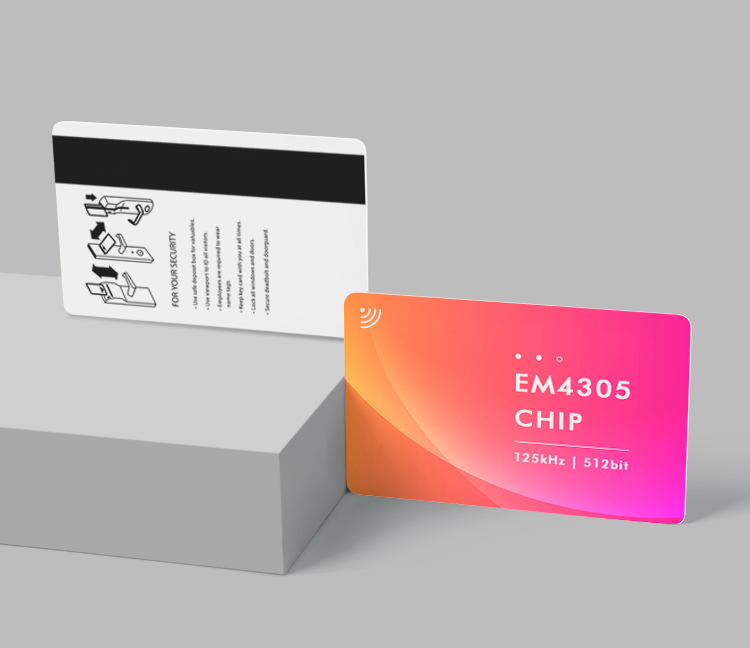
- **Frequency Ranges**: Most employee ID cards operate at 125 kHz (low frequency) or 13.56 MHz (high frequency)
- **Chip Specifications**: Common chips include NXP's MIFARE Classic 1K (MF1S503x) with 1KB memory or MIFARE DESFire EV2 (MF3D(H)x2) with enhanced security features
- **Read Range**: Typically 5-10 cm for proximity cards, up to 1 meter for long-range systems
 - **Data Capacity**: Varies from 1KB to 8KB depending on security and application requirements
### NFC: The Mobile Revolution in Employee Identification
- **Data Capacity**: Varies from 1KB to 8KB depending on security and application requirements
### NFC: The Mobile Revolution in Employee Identification
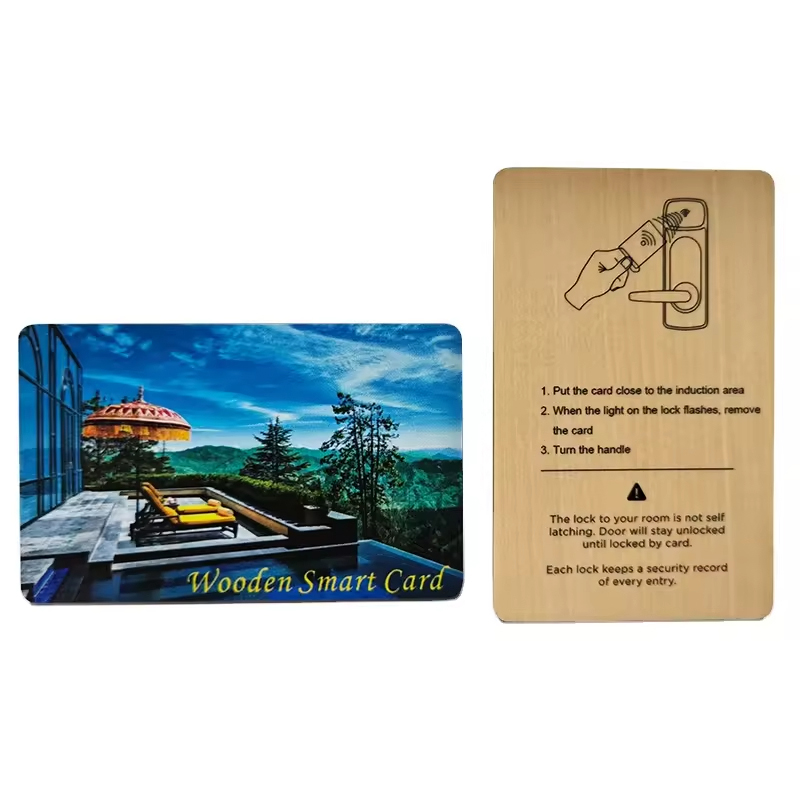 Near Field Communication (NFC) represents the next evolution, allowing smartphones to function as virtual employee IDs. My team recently implemented an NFC-based system that reduced physical card issuance costs by 40% while improving user convenience. Employees particularly appreciated being able to use their phones for building access, cafeteria payments, and equipment checkout—all through a single digital credential.
## Personal Experience: Implementing Digital ID Solutions
When our organization transitioned to **online employee ID card making**, I encountered both challenges and breakthroughs. The most significant hurdle wasn't technical—it was cultural. Employees accustomed to physical cards initially resisted the digital transition. However, after demonstrating how the new system streamlined processes (reducing badge replacement time from 3 days to 15 minutes), adoption rates soared to 98% within two months.
One memorable interaction occurred with a visually impaired employee who struggled with traditional cards. The NFC-enabled smartphone solution, with its audio c
Near Field Communication (NFC) represents the next evolution, allowing smartphones to function as virtual employee IDs. My team recently implemented an NFC-based system that reduced physical card issuance costs by 40% while improving user convenience. Employees particularly appreciated being able to use their phones for building access, cafeteria payments, and equipment checkout—all through a single digital credential.
## Personal Experience: Implementing Digital ID Solutions
When our organization transitioned to **online employee ID card making**, I encountered both challenges and breakthroughs. The most significant hurdle wasn't technical—it was cultural. Employees accustomed to physical cards initially resisted the digital transition. However, after demonstrating how the new system streamlined processes (reducing badge replacement time from 3 days to 15 minutes), adoption rates soared to 98% within two months.
One memorable interaction occurred with a visually impaired employee who struggled with traditional cards. The NFC-enabled smartphone solution, with its audio c