How does a gift card work - Speak To An Expert
Premium RFID Solutions for Modern Hotels
# How Does a Gift Card Work?
Gift cards have become a ubiquitous part of modern commerce, offering a convenient and flexible gifting solution. But have you ever stopped to wonder about the technology that powers these small plastic or digital cards? The seamless transaction at the checkout often relies on sophisticated **RFID** or **NFC** technology embedded within the card. This article delves into the mechanics of how a gift card works, focusing on the role of contactless technologies, and explores the broader ecosystem that makes them possible.
## The Basic Mechanism: From Purchase to Redemption
At its core, a gift card is a prepaid stored-value card. The process is straightforward:
1. **Purchase & Activation:** A customer buys a physical or digital gift card from a retailer. At the point of sale, the card is activated, linking a specific monetary value to a unique identifier on the card.
2. **Storage of Value:** This value is not physically stored on the card itself. Instead, the card's unique ID references an entry in the retailer's secure central database, where the balance is maintained.
3. **Redemption:** When the recipient uses the card, the point-of-sale (POS) system reads the card's ID, checks the central database for the available balance, deducts the purchase amount, and updates the balance.
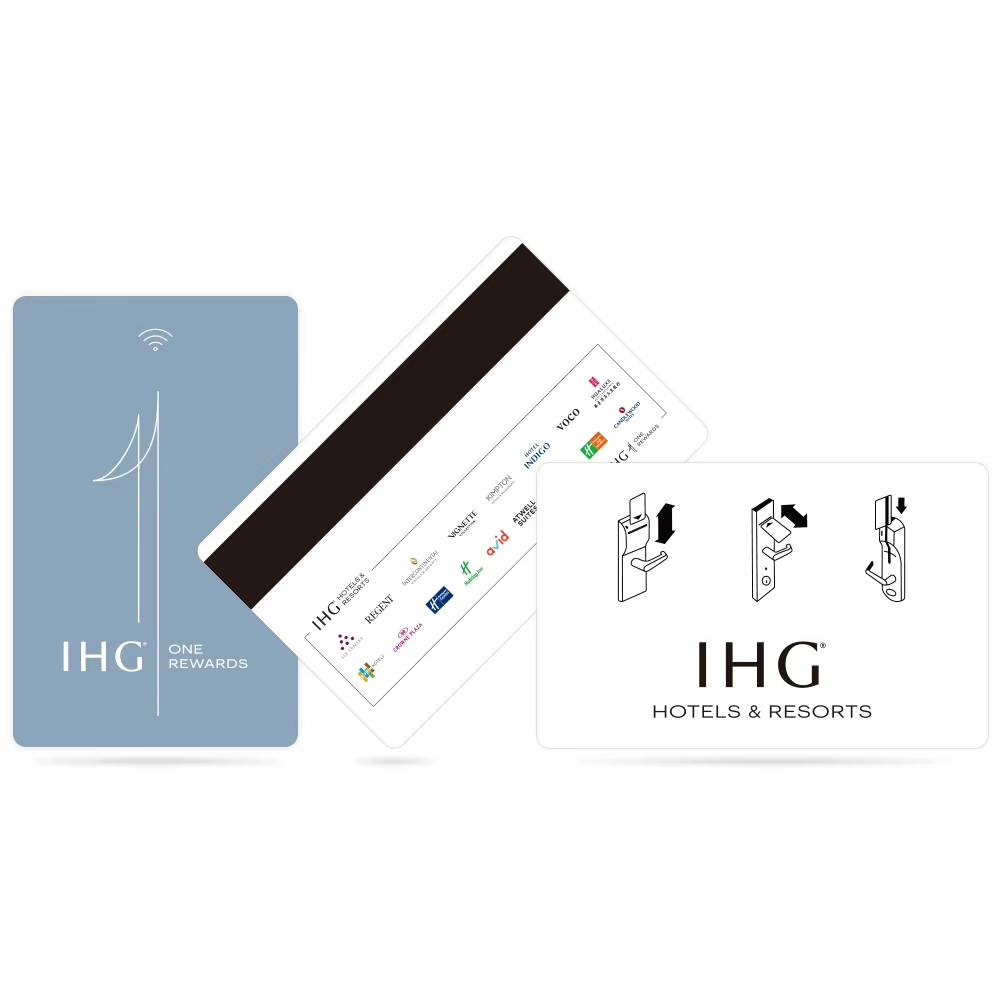

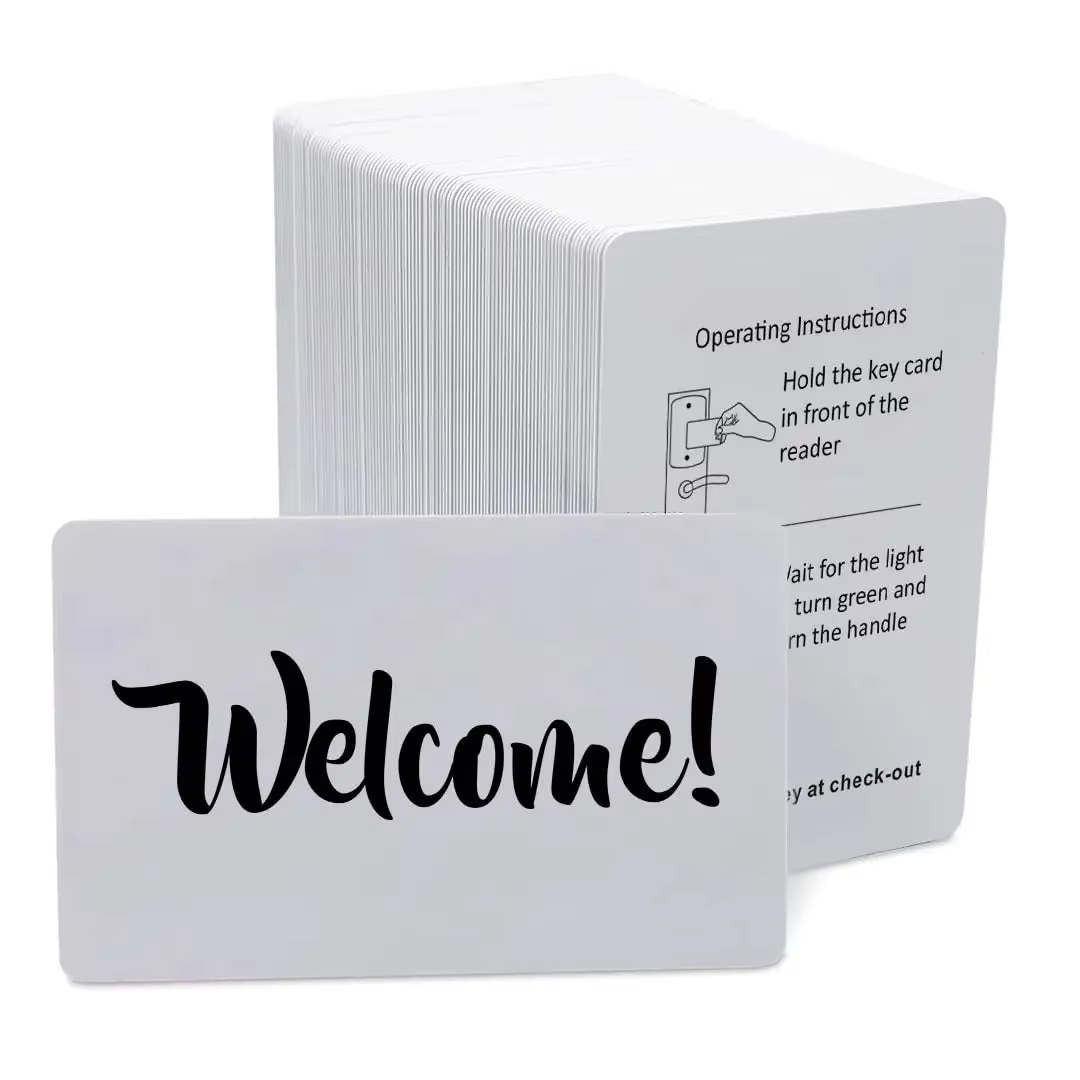 The magic of how the POS system "reads" the card is where **RFID** (Radio-Frequency Identification) and **NFC** (Near Field Communication) come into play, especially for contactless gift cards.
## The Role of RFID and NFC in Modern Gift Cards
While traditional gift cards use a magnetic stripe or barcode, modern systems increasingly employ contactless **RFID** or **NFC** chips. These technologies enable the "tap-to-pay" functionality that is fast, secure, and user-friendly.
The magic of how the POS system "reads" the card is where **RFID** (Radio-Frequency Identification) and **NFC** (Near Field Communication) come into play, especially for contactless gift cards.
## The Role of RFID and NFC in Modern Gift Cards
While traditional gift cards use a magnetic stripe or barcode, modern systems increasingly employ contactless **RFID** or **NFC** chips. These technologies enable the "tap-to-pay" functionality that is fast, secure, and user-friendly.
 ### How the Technology Facilitates the Transaction
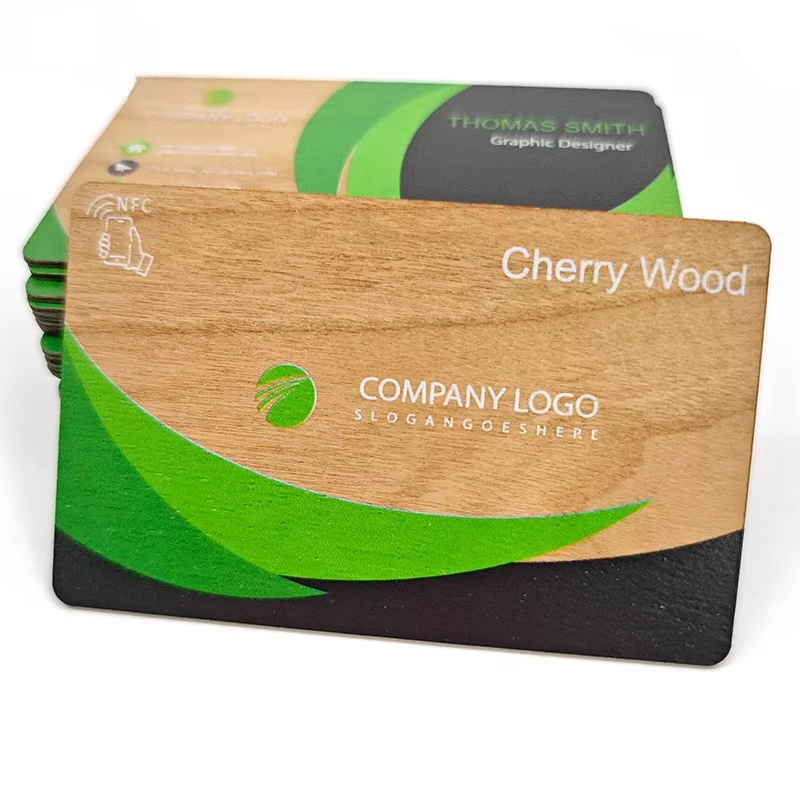
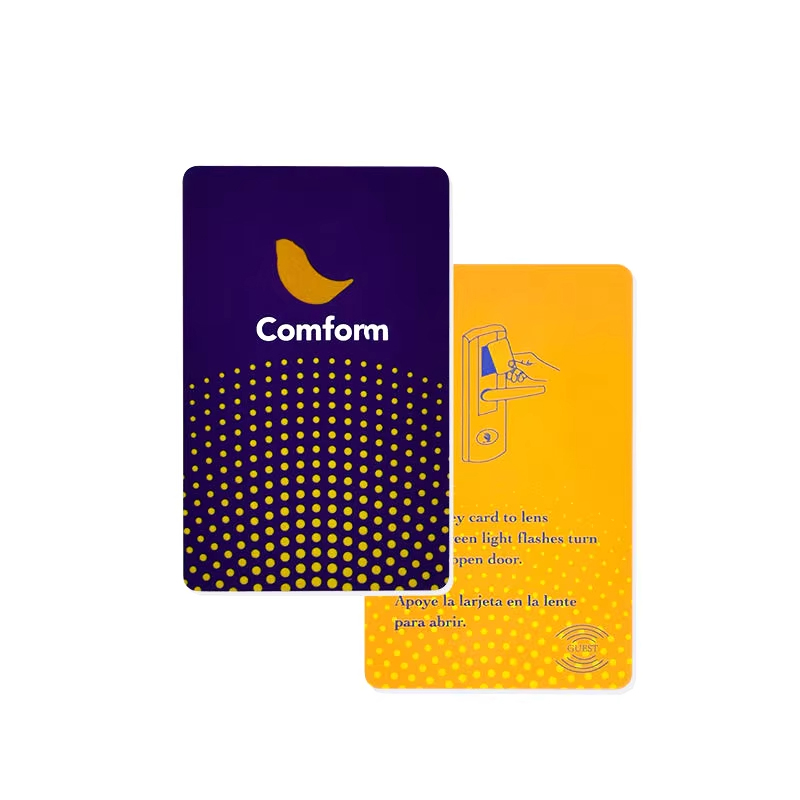 An **RFID** or **NFC** gift card contains a tiny microchip and an antenna. This assembly is often called an *inlay*. When the card is brought near a compatible reader (typically within a few centimeters for **NFC**), the reader's electromagnetic field powers the chip. This burst of energy allows the chip to transmit its unique identification data wirelessly to the reader. This entire process, from tap to data transmission, happens in a fraction of a second.
**My personal experience with this was a revelation.** I once purchased a boutique coffee shop gift card for a friend. Watching her simply tap the elegantly designed card on the reader and complete her purchase without fumbling for cash or a
An **RFID** or **NFC** gift card contains a tiny microchip and an antenna. This assembly is often called an *inlay*. When the card is brought near a compatible reader (typically within a few centimeters for **NFC**), the reader's electromagnetic field powers the chip. This burst of energy allows the chip to transmit its unique identification data wirelessly to the reader. This entire process, from tap to data transmission, happens in a fraction of a second.
**My personal experience with this was a revelation.** I once purchased a boutique coffee shop gift card for a friend. Watching her simply tap the elegantly designed card on the reader and complete her purchase without fumbling for cash or a
Make sure your Bluetooth is on or your phone is NFC enabled. Specialized in RFID card, NFC wristband, and custom RFID label production for the global hospitality industry.