# Smart Card Code: The Foundation of Modern RFID and NFC Technology
 The **smart card code** represents a critical layer in the architecture of RFID (Radio-Frequency Identification) and NFC (Near Field Communication) systems. As a developer and security enthusiast with over a decade of experience in embedded systems, I have witnessed how the evolution of smart card code has transformed industries—from contactless payments to access control. In this article, I will share personal insights, practical examples, and technical details about smart card code, while also highlighting how TIANJUN’s products and services can support your projects.
## My Personal Journey with Smart Card Code
I still remember my first encounter with smart card code back in 2012, when I was tasked with building a secure authentication system for a university library. The project required integrating RFID tags with a custom reader, and I quickly realized that the software logic—the smart card code—was the backbone of the entire system. Without proper code, even the most advanced hardware would fail to perform. That experience taught me that smart card code is not just about data storage; it is about security, efficiency, and interoperability.
For example, in one of my projects, I used a Mifare Classic 1K card (a common NFC tag). The smart card code allowed me to define access conditions for each sector, ensuring that only authorized readers could modify data. I remember the thrill of debugging a memory corruption issue caused by a faulty sector trailer—a lesson in the importance of precise code implementation.
The **smart card code** represents a critical layer in the architecture of RFID (Radio-Frequency Identification) and NFC (Near Field Communication) systems. As a developer and security enthusiast with over a decade of experience in embedded systems, I have witnessed how the evolution of smart card code has transformed industries—from contactless payments to access control. In this article, I will share personal insights, practical examples, and technical details about smart card code, while also highlighting how TIANJUN’s products and services can support your projects.
## My Personal Journey with Smart Card Code
I still remember my first encounter with smart card code back in 2012, when I was tasked with building a secure authentication system for a university library. The project required integrating RFID tags with a custom reader, and I quickly realized that the software logic—the smart card code—was the backbone of the entire system. Without proper code, even the most advanced hardware would fail to perform. That experience taught me that smart card code is not just about data storage; it is about security, efficiency, and interoperability.
For example, in one of my projects, I used a Mifare Classic 1K card (a common NFC tag). The smart card code allowed me to define access conditions for each sector, ensuring that only authorized readers could modify data. I remember the thrill of debugging a memory corruption issue caused by a faulty sector trailer—a lesson in the importance of precise code implementation.

 ## What is Smart Card Code?
 At its core, **smart card code** refers to the set of instructions and data structures that govern how a smart card (or an RFID/NFC tag) communicates with a reader. This code typically resides in the card’s microcontroller or memory chip, and it handles tasks such as:
- Authentication (e.g., using cryptographic algorithms like DES or AES)
- Data storage and retrieval (e.g., sector-based memory management)
- Protocol handling (e.g., ISO 14443 for NFC, ISO 15693 for RFID)
At its core, **smart card code** refers to the set of instructions and data structures that govern how a smart card (or an RFID/NFC tag) communicates with a reader. This code typically resides in the card’s microcontroller or memory chip, and it handles tasks such as:
- Authentication (e.g., using cryptographic algorithms like DES or AES)
- Data storage and retrieval (e.g., sector-based memory management)
- Protocol handling (e.g., ISO 14443 for NFC, ISO 15693 for RFID)
 The smart card code is often written in low-level languages like C or assembly, b
IMPORTANT: Make sure your Bluetooth is on or your phone is NFC enabled. Specialized in RFID card, NFC wristband, and custom RFID label production for the global hospitality industry.
Technical Specifications
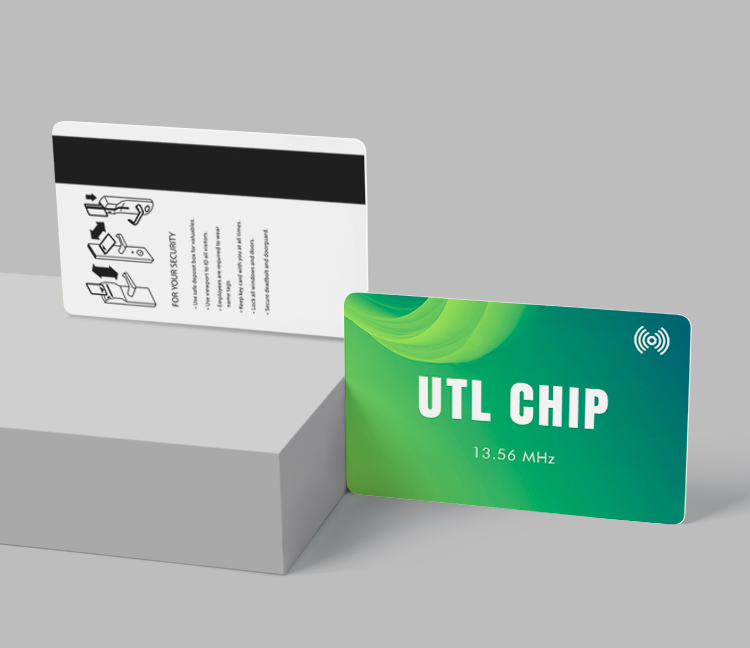
The YARONGTECH 4K RFID S70 Smart Card Chip operates at 13.56MHz frequency with enterprise-grade encryption protocols. Designed specifically for luxury hotel environments, our solution provides seamless integration with existing property management systems while maintaining the highest security standards.